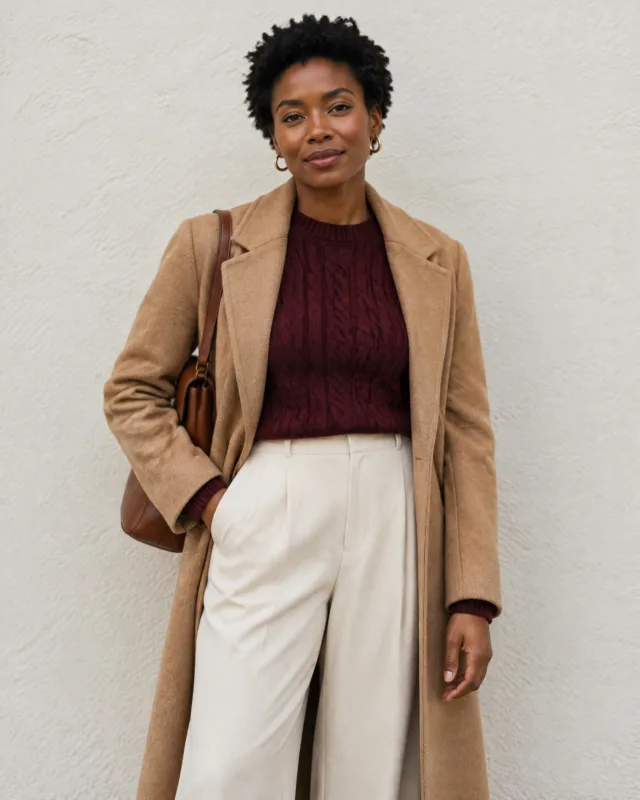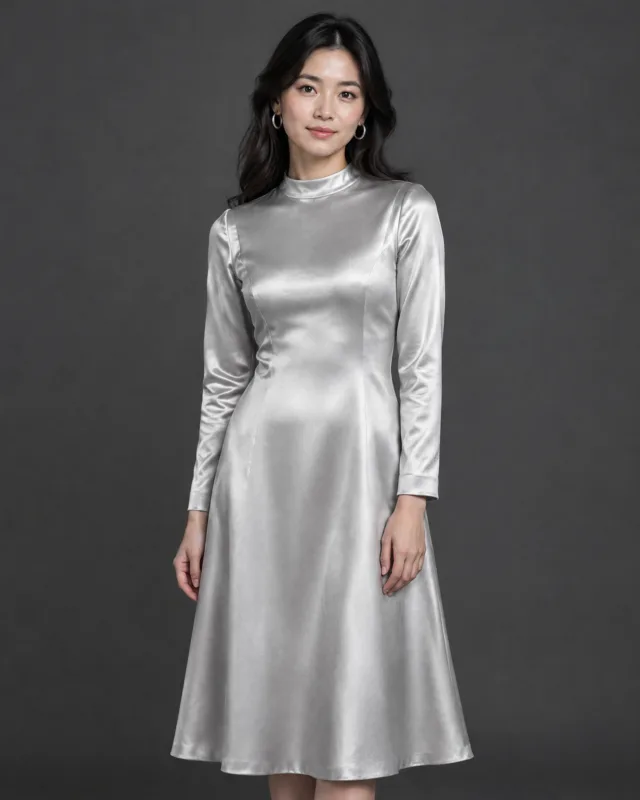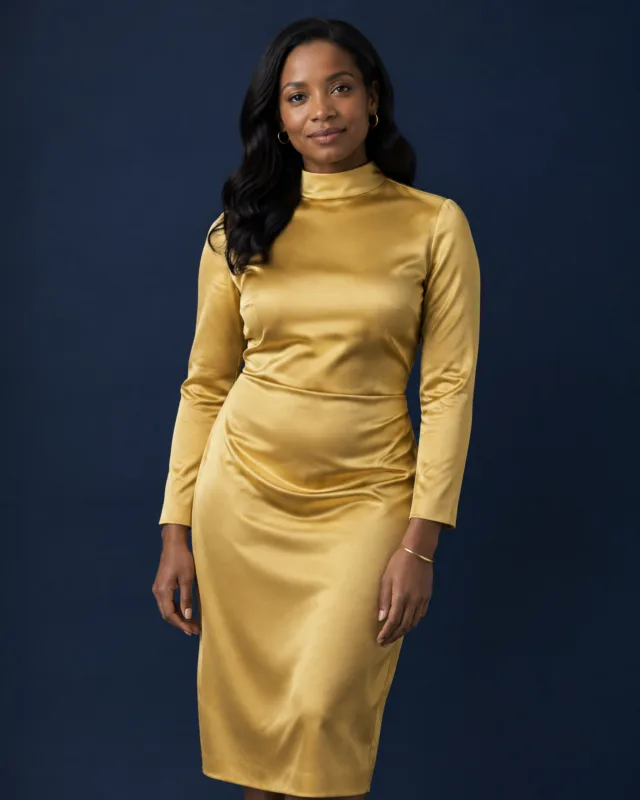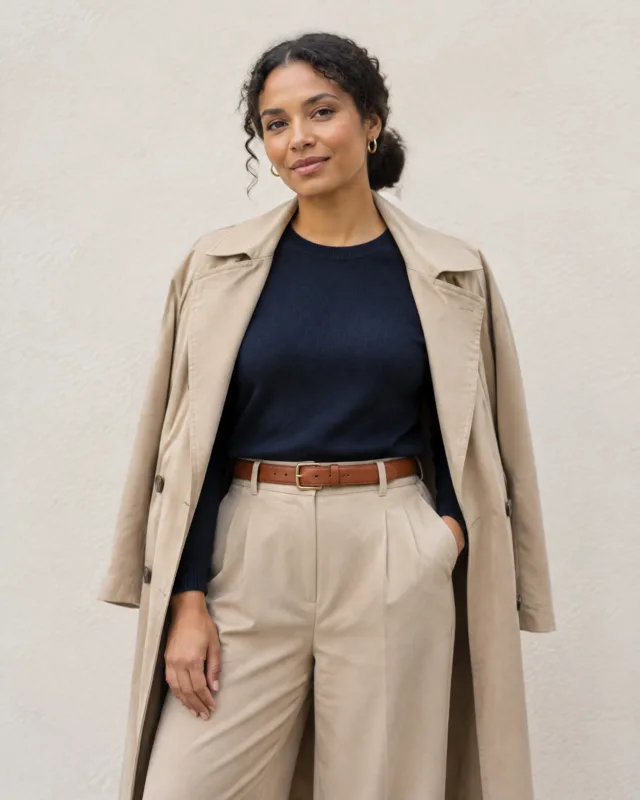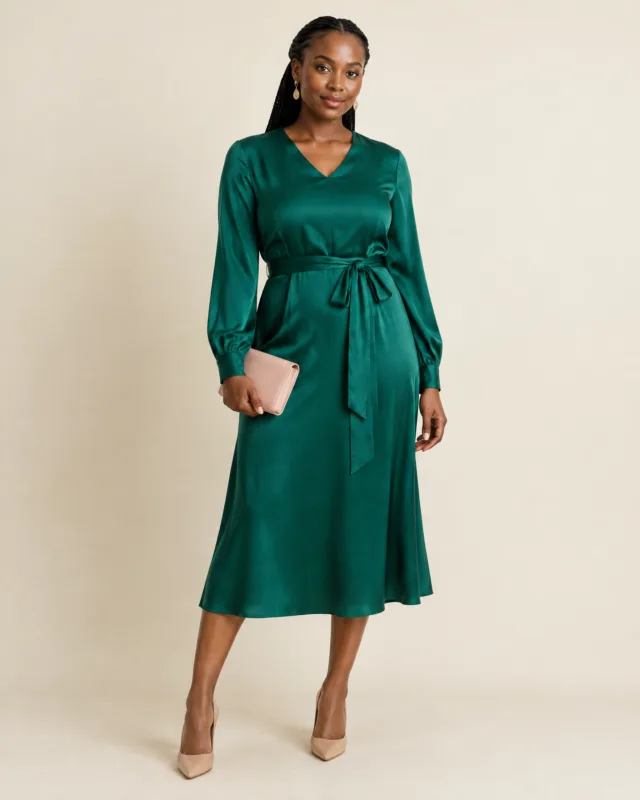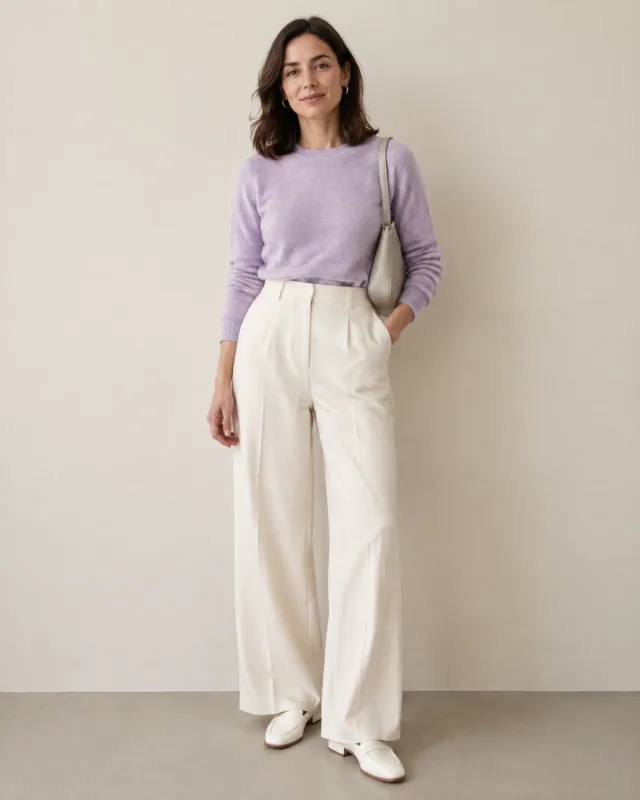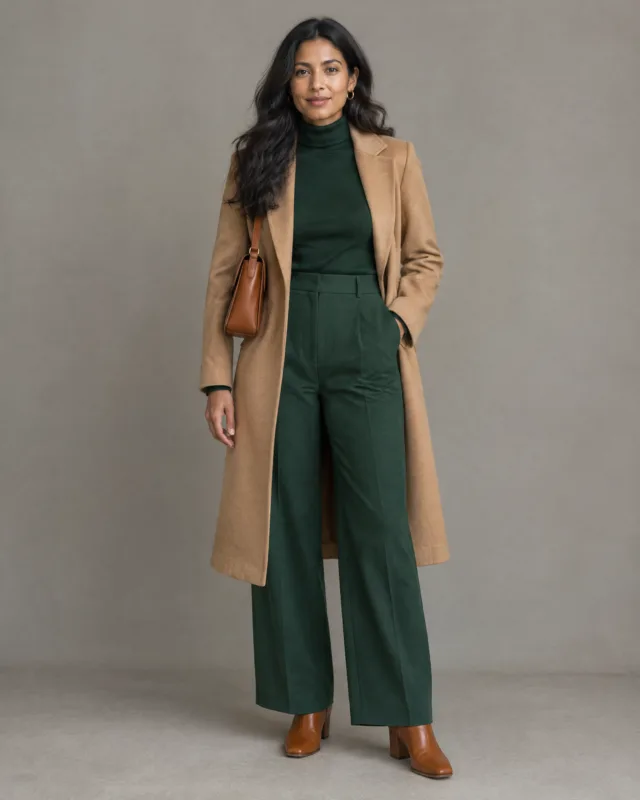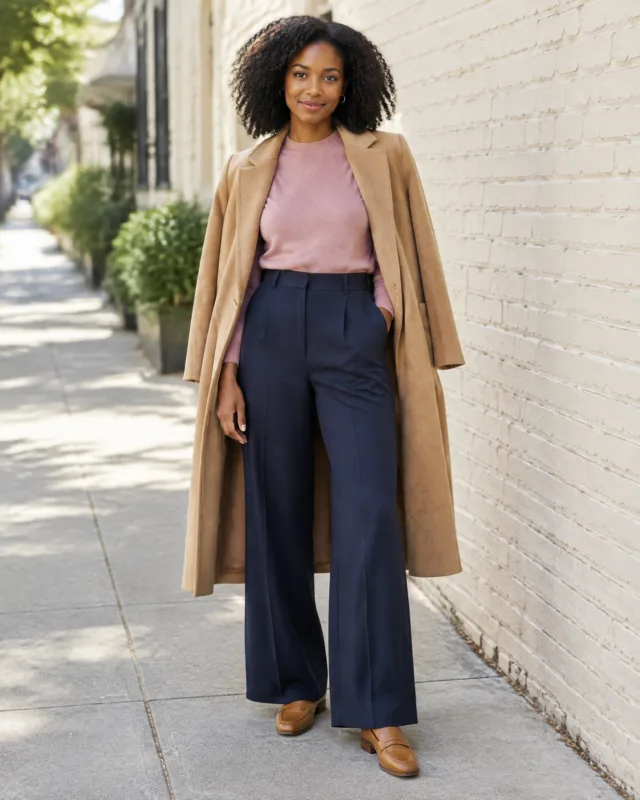
Color combinations for outfits work best when you pair neutrals with one accent color, use complementary colors for contrast or choose analogous colors for harmony. Start with a neutral base like navy, black, cream or camel, then add one or two shades from the color wheel. This guide covers the rules, a master pairing chart and women’s outfit examples for every major color.
Quick answer
Quick answer: The colors that go together in clothes are neutrals with any accent, complementary pairs for bold contrast, analogous shades for soft harmony and tonal shades of one color for elegance.
- Limit most outfits to three colors, usually two neutrals plus one accent.
- The 60-30-10 rule balances a dominant color, a secondary color and a small accent.
- Navy and camel, black and white, olive and cream and burgundy and blush are reliable pairs.
- Match undertones: warm with warm, cool with cool, or use neutrals to bridge them.
- Shoes, bags and jewelry are the easiest places to add an accent color.
- Monochrome and tonal outfits look elegant and are hard to get wrong.
What Colors Go Together in Clothes: The Quick Answer
The colors that go together in clothes fall into four easy groups: neutrals paired with any color, complementary colors that sit opposite each other on the color wheel, analogous colors that sit side by side and tonal outfits built from shades of one color. Most polished outfits use one of these four approaches.
Here’s how each one looks in practice:
- Neutral + accent: cream trousers, a navy knit and a red bag.
- Complementary: a cobalt blue dress with orange or rust earrings.
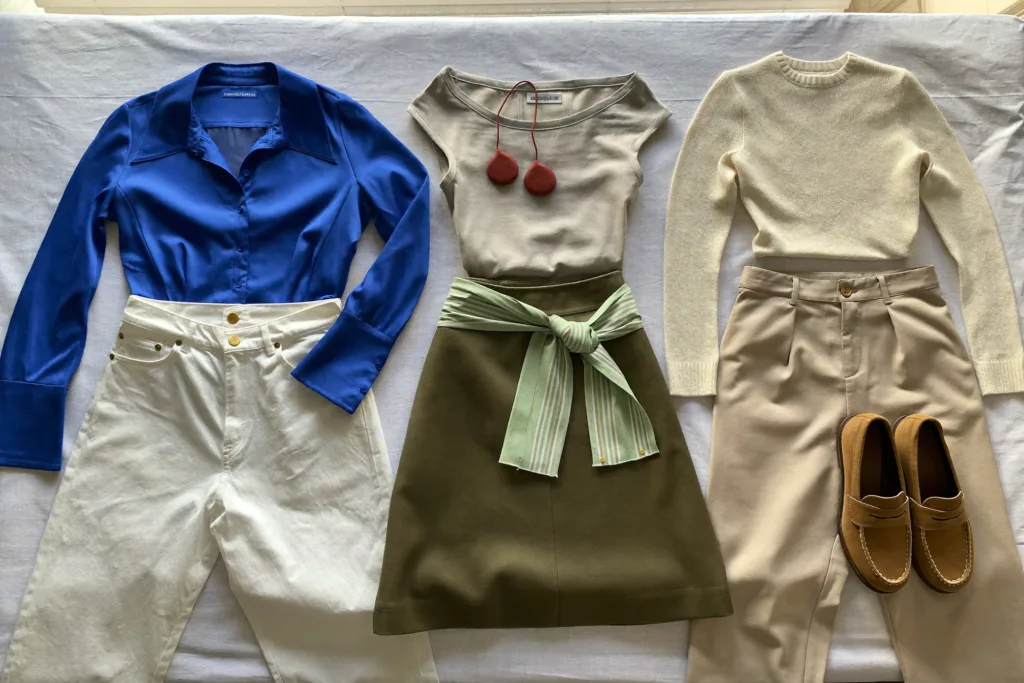
- Analogous: a sage green top with an olive skirt and a mint scarf.
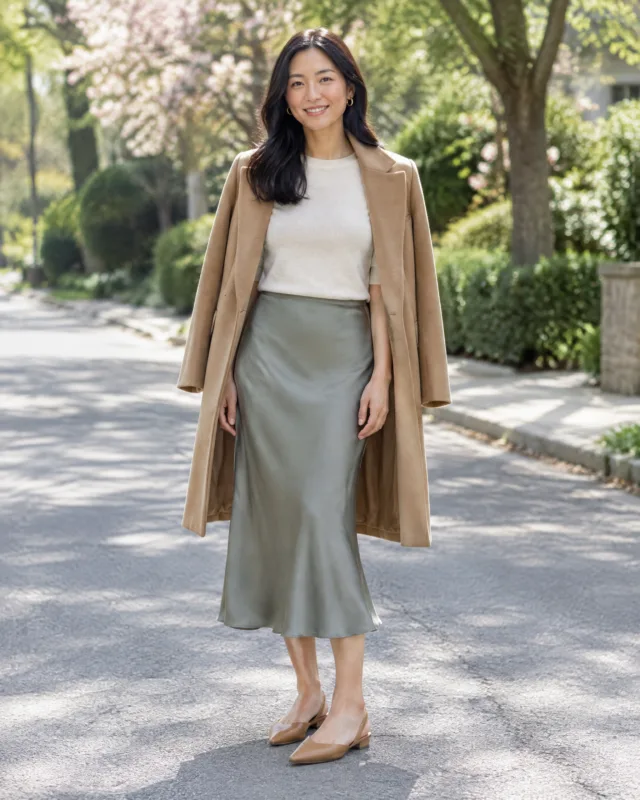
- Tonal or monochrome: a camel coat over a beige sweater and tan trousers.
If you only remember one rule, remember this: when in doubt, build on neutrals and add one color you love.
Color Wheel Basics for Getting Dressed
The color wheel arranges colors in a circle so you can see how they relate. For getting dressed, you only need three schemes: complementary (opposites, for contrast), analogous (neighbors, for harmony) and monochromatic or tonal (one color in different shades, for elegance). Each creates a different mood, from bold to calm.
Complementary Combinations
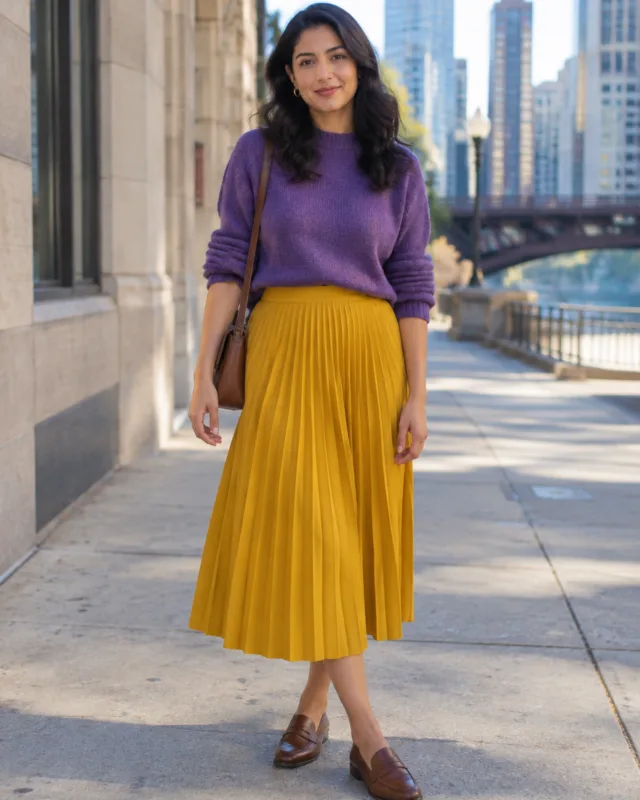
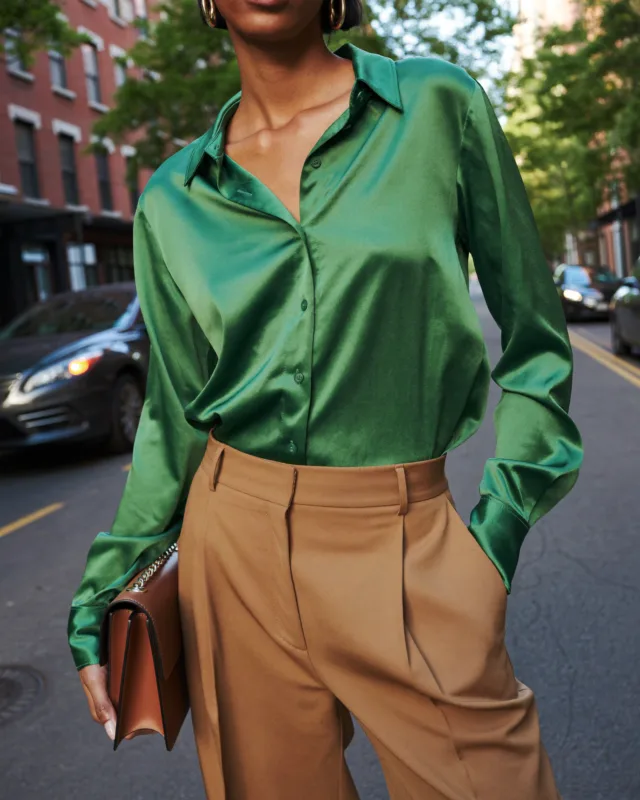
Complementary colors sit directly opposite each other on the color wheel: blue and orange, red and green, purple and yellow. They create strong contrast, so use them carefully. The easiest approach is to keep one color dominant and use the other as an accent, for example a navy dress with a rust bag, or an emerald top with a soft coral lip. Softer versions, like lavender and butter yellow, feel gentler and work well in spring.
Analogous Combinations
Analogous colors sit next to each other on the wheel: blue, teal and green, or red, orange and yellow. They create a calm, harmonious look. Try a cobalt blouse with teal trousers, or a rust sweater with a mustard skirt. Analogous outfits feel considered and sophisticated without being loud.
Monochromatic and Tonal Outfits
A monochromatic outfit uses one color from head to toe. Tonal dressing uses different shades and tints of that color, like ivory, cream, oatmeal and camel. Both are elegant and lengthen the body visually. Mix textures, such as knit, silk and wool, so the outfit has depth.
Easy Rules for Color Matching Clothes
Easy rules for color matching clothes keep outfits balanced: limit yourself to three colors, follow the 60-30-10 proportion and start with one anchor color. These rules work because they control how many colors compete for attention. You can break them on purpose once you are confident, but they make everyday dressing faster.
The 3-Color Rule
The 3-color rule means using no more than three colors in an outfit. Usually that’s two neutrals plus one accent, such as navy trousers, a white shirt and a red shoe. Denim and metallic accessories often count as neutrals, so they don’t use up one of your three.
The 60-30-10 Rule
Borrowed from interior design, the 60-30-10 rule assigns 60 percent of the outfit to a dominant color, 30 percent to a secondary color and 10 percent to an accent. Example: a camel coat and trousers (60), a cream sweater (30) and a burgundy bag (10).
Start With One Anchor Color
Choose one piece as your anchor, usually the largest piece or the one you most want to wear, and build around it. Follow these steps:
- Pick the anchor piece, such as an olive skirt.
- Add a neutral that suits it, such as cream or camel.
- Choose one accent from a complementary or analogous family, such as rust or burgundy.
- Repeat the accent once in a small accessory to tie the outfit together.
Stylist’s tip
If an outfit feels off but you can’t tell why, take a quick photo and view it in black and white. If everything appears the same gray, add contrast with a lighter or darker piece. If one item jumps out, that is usually the color to swap.
Neutral Colors That Go With Everything
Neutral colors that go with everything include black, white, navy, gray, camel, cream, brown and denim. They form the base of most outfits because they pair with nearly any accent color. Building your wardrobe around two or three neutrals makes color matching much easier, since every bright piece you buy will already have partners. It’s the same principle behind a capsule wardrobe.
Black and White
Black and white is the most classic contrast in fashion. It works for work, evenings and minimalist looks. Add one accent, such as red, cobalt or emerald, or keep it graphic with silver jewelry.
Navy and Camel
Navy and camel is a sophisticated, warm-meets-cool pairing that looks expensive. A navy sweater with camel trousers, or a camel coat over a navy dress, works for office, travel and weekend outfits. Navy also pairs beautifully with white, blush, burgundy and gray; see what colors go with navy blue for more outfit formulas.
Gray, Cream and Denim
Gray is a quiet neutral that pairs well with pastels, burgundy, yellow and navy (see what colors go with gray for more pairings). Cream softens almost any color and works as a warmer alternative to white. Beige plays a similar role; see what colors go with beige for easy pairings. Denim acts as a neutral in most outfits: try it with white, red, camel, olive or pink.
Greens: Sage, Olive, Emerald, Mint and Dark Green
Green is more versatile than many people think because it acts almost like a neutral in its muted shades. Sage and olive pair easily with cream, camel and white, while emerald and dark green work beautifully with jewel tones and gold. Mint feels fresh with white, navy and soft gray. For more pairing ideas, read our guide to what colors go with green.
| Shade | Easy pairings | Bolder pairings |
|---|---|---|
| Sage green | Cream, white, camel | Blush pink, lavender |
| Olive green | Cream, camel, denim | Rust, burgundy, mustard |
| Emerald green | Black, white, gold jewelry | Navy, fuchsia, sapphire |
| Mint green | White, navy, gray | Coral, soft yellow |
| Dark green | Camel, cream, brown | Burgundy, mustard |
Olive is a great everyday neutral, especially in fall; our guide to what colors go with olive green has outfit formulas for it. Emerald is a strong choice for evening and holiday events; see what colors go with emerald green for jewel-tone pairings. For forest and hunter shades, see what colors go with dark green.
Blues: Light Blue, Navy and Bright Blue
Blue is one of the easiest colors to wear because many shades flatter a wide range of skin tones. Navy works as a neutral, light blue feels fresh and calm and bright cobalt is a bold accent. Blue pairs naturally with white, camel, gray and brown, and contrasts beautifully with orange and rust.
- Light blue: white, cream, camel, navy, soft pink, gray.
- Navy: white, camel, red, blush pink, burgundy, mustard, gray.
- Bright blue (cobalt): white, black, orange, green, pink.
A light blue shirt with camel trousers, a navy dress with red shoes, or a cobalt blouse with white jeans are simple, reliable outfits. For 20 more pairings, see what colors go with blue.
Warm Colors: Red, Orange, Yellow and Brown
Warm colors, including red, orange, yellow and brown, bring energy and warmth to an outfit. Pair them with neutrals like navy, cream, white and denim to keep them grounded. Brown works almost as a neutral and pairs with blue, cream, pink, green and orange in earth-tone outfits. For shade-by-shade ideas, see what colors go with brown.
- Red: navy, white, black, camel, denim, pink (for a bold, modern look).
- Orange: navy, cobalt, white, cream, olive, brown.
- Yellow: gray, navy, white, denim, lavender, olive.
- Brown: cream, light blue, pink, olive, orange, white.
Warm colors can feel overwhelming in large amounts, so start with one piece, like a red sweater or a mustard skirt, and keep everything else neutral. Our guide to what colors go with yellow shows how to style mustard, butter and lemon shades. For deeper, wine-toned reds, see what colors go with maroon.
Soft Colors: Pink, Purple and Lavender
Soft colors like pink, purple and lavender feel romantic, fresh and modern. They pair well with gray, white, cream, navy and other pastels. Deeper purples work well with gold jewelry and olive, while lavender pairs especially well with sage green, butter yellow and soft gray. Our guide to what colors go with purple covers every shade from lavender to plum, and what colors go with pink does the same for blush, rose and fuchsia.
- Pink: gray, navy, white, red, camel, olive, burgundy.
- Purple: gray, cream, olive, mustard, navy, gold jewelry.
- Lavender: white, gray, sage green, yellow, denim, cream.
For a modern twist, try pink with red, or lavender with mint for a soft color-blocked look. Our guide to what colors go with lavender has more pastel pairings. Our guide to what colors go with red shows how to balance the pink-and-red pairing.

Color Combinations Chart for Women’s Outfits
A color combinations chart shows safe and bold pairings for each base color, so you can build outfits quickly without guessing. Use the safe column for work and everyday outfits, the bold column for events and creative looks, and the accent column for shoes, bags or jewelry. Start with the color you own most.
| Base color | Safe pairing | Bold pairing | Accent ideas |
|---|---|---|---|
| Black | White, gray, camel | Red, cobalt, emerald | Gold or silver jewelry, red lip |
| White | Navy, denim, camel | Orange, fuchsia, emerald | Tan sandals, straw bag |
| Navy | Camel, white, gray | Red, mustard, burgundy | Gold jewelry, cognac belt |
| Gray | White, navy, black | Yellow, pink, burgundy | Silver jewelry, blush bag |
| Camel | Cream, navy, white | Burgundy, olive, rust | Tortoiseshell sunglasses |
| Cream | Camel, brown, olive | Lavender, light blue | Gold jewelry, tan bag |
| Olive green | Cream, camel, denim | Rust, burgundy, mustard | Brown leather, gold jewelry |
| Burgundy | Navy, camel, gray | Blush pink, olive | Gold jewelry, cognac boots |
| Blush pink | Gray, white, navy | Red, burgundy, sage | Pearl or silver jewelry |
| Denim | White, camel, striped tops | Red, yellow, pink | White sneakers, tan belt |

Choosing Colors for Your Skin Tone
Choosing colors for your skin tone starts with identifying your undertone: warm, cool or neutral. Warm undertones tend to glow in earthy and golden shades, cool undertones in blue-based and jewel shades and neutral undertones can wear a wide range. Wear your most flattering colors near your face for the biggest impact.
Warm vs Cool Undertones
Try these simple tests in natural light:
- Vein test: Greenish veins usually suggest warm undertones; bluish or purple veins suggest cool. A mix may mean neutral.
- Jewelry test: If gold jewelry flatters you more, you likely have warm undertones. If silver looks better, you’re likely cool. Our guides to what colors go with gold and what colors go with silver show how to style each metal.
- White vs cream test: Hold bright white and cream fabric near your face. Cool undertones often look best in white, warm undertones in cream.
Warm undertones often suit camel, olive, rust, mustard, coral and cream. Cool undertones often suit navy, emerald, cobalt, fuchsia, lavender and pure white. Hair and eye color also affect how much contrast you can carry: high-contrast coloring often handles black and white well, while softer coloring can look better in muted tones.
Finding Your Color Season
Color season analysis groups people into spring, summer, autumn and winter based on undertone, depth and contrast. Spring and autumn are warm; summer and winter are cool. It’s a useful starting point, but treat it as guidance, not a strict rule. Test colors against your face and notice which shades make your skin look clear and rested.
Color Combinations by Occasion
Color combinations by occasion follow the formality and mood of the event: neutral, low-contrast pairings for work and interviews, brighter or softer colors for celebrations, and dark, muted tones for funerals and very formal events. The same palette can shift between occasions by changing accent colors and fabrics. If you’re unsure how formal an event is, check our guide to dress code types.
Work and Interviews
Navy, gray, black, camel and white create polished, trustworthy outfits. Add a soft accent like light blue, blush or burgundy. Avoid too many brights in conservative settings.
Weddings and Parties
Celebrations welcome color: jewel tones such as emerald, sapphire and burgundy for evening, pastels and florals for daytime. Avoid white at weddings and avoid matching the wedding party.
Funerals and Formal Events
Funerals call for black, navy, charcoal or deep brown. Black-tie events allow rich jewel tones, black and metallics. Keep accessories elegant and understated.
Color Mistakes to Avoid
Common color mistakes include using too many bright colors at once, clashing undertones, matching every piece too perfectly and ignoring the colors in prints. Most can be fixed by adding a neutral, repeating a color once in an accessory or picking one hue from a print to pull through the outfit.
Do
- Pull one color from a print and repeat it in a solid piece or accessory.
- Use neutrals to calm down bold or clashing colors.
- Repeat your accent color once, such as in shoes or earrings.
- Mix textures in tonal outfits to add depth.
Don’t
- Don’t wear more than one or two bright colors in the same outfit.
- Don’t mix warm and cool versions of the same color, like orange-red with blue-red.
- Don’t match shoes, bag, belt and jewelry exactly; it can look dated.
- Don’t ignore the background color of prints when choosing other pieces.
Mixing prints with a color scheme: When combining prints, keep them in the same color family and vary the scale, such as a small floral with a wide stripe. Let one print dominate and use the second as a smaller accent.
Stylist’s tip
Use accessories to test new colors before buying a full outfit. A scarf, bag or pair of shoes in a new shade lets you see how it looks with your wardrobe and skin tone at a fraction of the cost.

Frequently asked questions
What colors go well together in outfits?
Neutrals such as black, white, navy, gray, camel and cream go with almost any accent color. Classic pairs that always work include navy and camel, black and white, olive and cream, burgundy and blush pink and light blue and brown. Start with a neutral base and add one color you love.
What is the 3-color rule for outfits?
The 3-color rule means limiting an outfit to three colors, usually two neutrals plus one accent. For example, navy trousers, a white shirt and red shoes. Denim and metallics often count as neutrals. The rule keeps outfits balanced and polished without colors competing for attention.
What is the 3-3-3 rule in fashion?
The 3-3-3 rule means choosing three tops, three bottoms and three pairs of shoes that all work together, creating many outfits from nine items. It works best with a tight color palette, such as two neutrals and one accent, so every piece matches every other piece.
What are elegant color combinations for clothes?
Elegant combinations include tonal neutrals (cream, camel and beige), black and gold, navy and ivory, burgundy and camel, emerald and black and gray and blush pink. These pairings look refined because they combine depth and softness without harsh contrast, and they work well for evening, work and formal events.
What two colors look good together in an outfit?
Reliable two-color pairs include navy and white for crisp everyday looks, black and camel for elegant workwear, olive and cream for relaxed fall outfits, red and denim for casual weekends, and lavender and gray for soft, modern spring looks. Each works because one color grounds the other.
How do I know which colors suit my skin tone?
Check your undertone in natural light. Greenish veins and a preference for gold jewelry suggest warm undertones; bluish veins and silver jewelry suggest cool undertones. Warm undertones often suit earthy shades, while cool undertones often suit jewel tones. Test colors near your face to see which make your skin look clearest.