The best workout outfits for women are built for the movement, not the mirror. Start with moisture-wicking fabric, a sports bra with the right support level for the activity, bottoms that stay put when you bend or run, and shoes designed for that sport. Then choose colors and sets you enjoy wearing, because an outfit you like is one you’ll actually put on. This pillar covers what to wear to the gym and links to our guides for every sport and activity, from Pilates and yoga to skiing, tennis, pickleball and golf. For everyday outfits, see our outfit ideas for women.
Quick answer
Workout outfits = moisture-wicking fabric + the right sports bra support + activity-specific shoes.
- Choose polyester, nylon, spandex or merino; skip heavy cotton for sweaty workouts.
- Low-impact (yoga, Pilates) needs light support; high-impact (running, HIIT) needs high support.
- Fitted leggings or shorts work for most workouts; avoid loose hems near equipment.
- Shoes matter most: training shoes for the gym, running shoes for runs, court shoes for court sports.
- Layer for outdoor activities with a base, mid and shell layer.
What to Wear to the Gym
For a general gym session, the classic formula is high-waisted leggings or shorts, a fitted or relaxed moisture-wicking top, a supportive sports bra, and training shoes. Fitted pieces are safer around machines and let you check your form in the mirror.
| Workout | Bottoms | Top | Shoes |
|---|---|---|---|
| Strength training | Full-length leggings or joggers | Fitted tee or tank | Flat, stable training shoes |
| HIIT / boot camp | Leggings or bike shorts | Fitted tank | Cross-training shoes |
| Cardio machines | Leggings or shorts | Breathable tee or tank | Cushioned trainers |
| Spin / indoor cycling | Padded or fitted shorts or capris | Fitted tank | Cycling shoes or stiff-soled trainers |
Fabrics That Work (and Ones That Don’t)
| Fabric | Best for | Why |
|---|---|---|
| Polyester and nylon | Most workouts | Lightweight, quick-drying and moisture-wicking |
| Spandex / elastane | Leggings, sports bras | Stretch and recovery so pieces keep their shape |
| Merino wool | Hiking, running in cold weather, skiing base layers | Warm when wet and naturally odor-resistant |
| Cotton | Low-sweat activities only | Absorbs sweat and stays wet, which can chafe |
Learn more about fibers in our guide to types of fabric, and keep technical pieces working by washing them cold without fabric softener, which can block wicking.
Choosing a Sports Bra
Match support to impact:
- Low impact (yoga, Pilates, barre, walking): light-support bralettes or soft sports bras.
- Medium impact (cycling, strength training, hiking): medium-support bras with wider straps.
- High impact (running, HIIT, jumping, tennis): high-support or encapsulation bras with adjustable straps and bands.
A good fit should feel snug around the band, keep you from bouncing when you jump in place, and not dig in at the straps.
What to Wear by Activity
Studio workouts
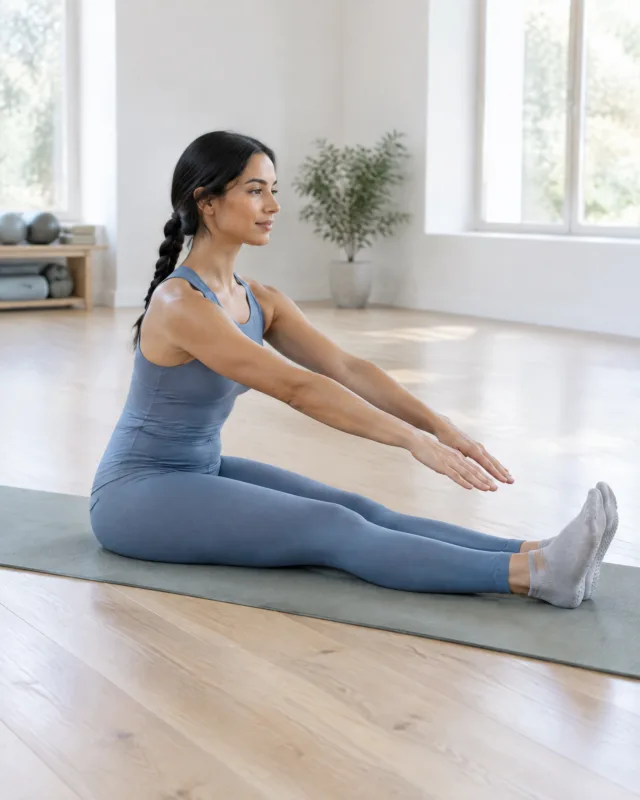
- Yoga: fitted leggings and a fitted top that won’t fall over your face in inversions. See what to wear to yoga and, for heated classes, what to wear to hot yoga.
- Pilates: form-fitting layers so instructors can see alignment, plus grip socks for reformer classes. See what to wear to Pilates.
Cardio and outdoor workouts
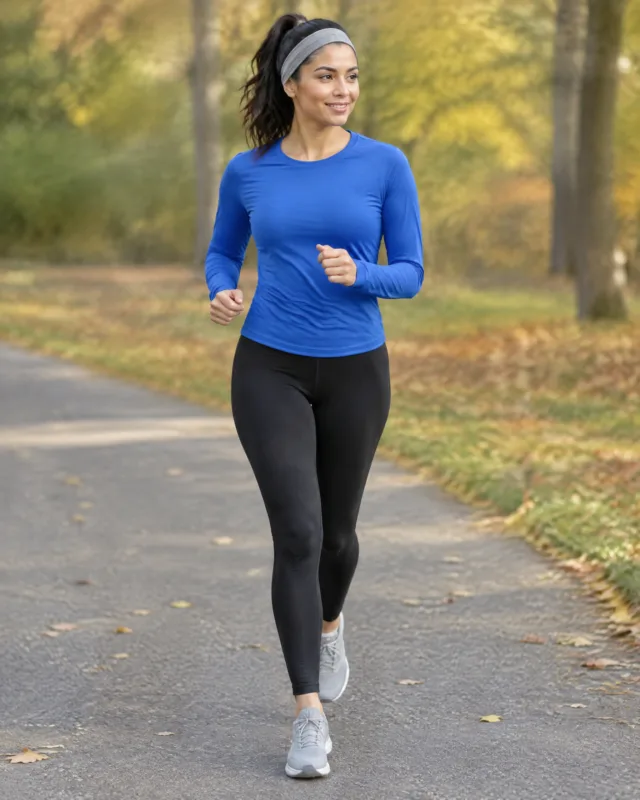
- Running: dress as if it is 15 to 20 degrees warmer than the thermometer says. See what to wear running for a full temperature chart.
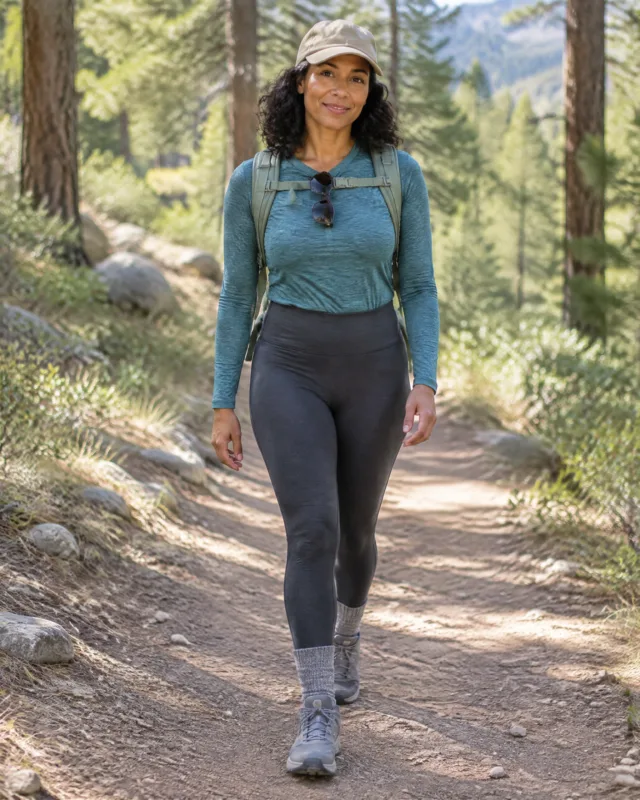
- Hiking: a moisture-wicking base, an insulating mid layer and a waterproof shell, plus broken-in hiking shoes. See what to wear hiking.
Snow and water sports
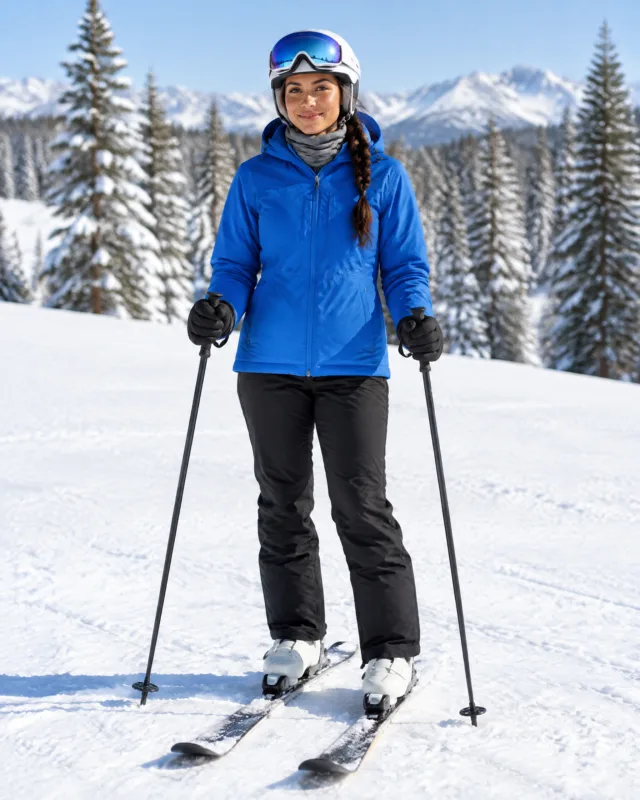
- Skiing and snowboarding: a three-layer system, waterproof ski pants or bibs, a helmet and goggles. See what to wear skiing.
- White-water rafting: quick-dry synthetics or a wetsuit, secured footwear and no cotton. See what to wear white-water rafting.
Court and club sports
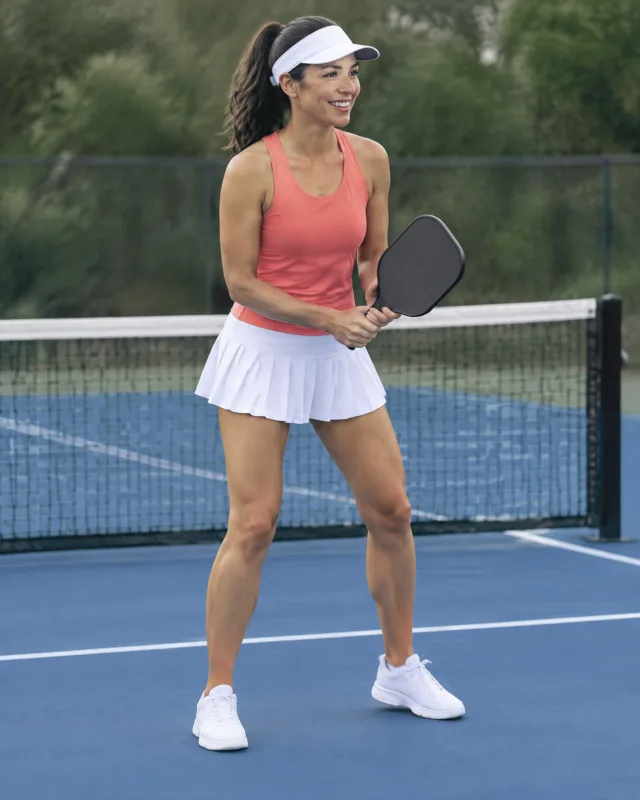
- Tennis: skirts, dresses or shorts with built-in liners and court shoes; some clubs require all-white. See tennis outfits for women.
- Pickleball: skorts, tanks and court shoes with good lateral support. See pickleball outfits for women.
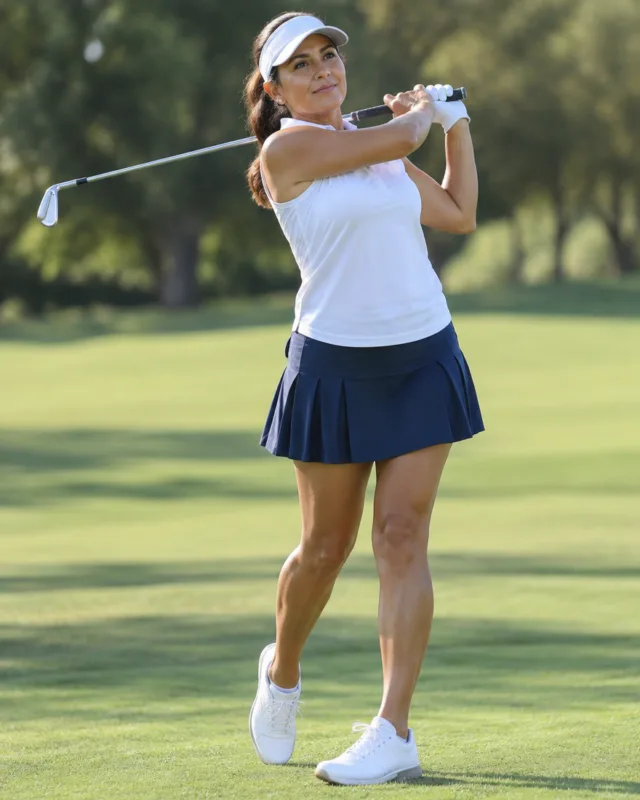
- Golf: collared or sleeved tops, golf skirts or trousers and spikeless golf shoes; most courses have a dress code. See golf attire for women.
Stylist’s tip
Do the “squat test” before buying leggings: squat deeply in front of a mirror in good light. If you can see your skin or underwear through the fabric, the leggings are too sheer for the gym. Then jump in place to check the waistband stays up.
Workout Outfits by Temperature
| Outdoor temperature | What to wear |
|---|---|
| Above 70°F | Shorts or capris, tank, cap, sunglasses, sunscreen |
| 55–70°F | Leggings, long-sleeve or tee, light vest |
| 40–55°F | Leggings or tights, long-sleeve base, wind jacket, light gloves |
| Below 40°F | Thermal tights, merino base, insulated jacket, hat, gloves |
For everyday dressing by weather, use our hub on what to wear by temperature.
Shoes for Every Workout
Wear the shoe designed for the movement. Running shoes cushion forward motion but are less stable for lifting or side-to-side moves; training shoes have flatter, wider soles for the gym; court shoes support lateral movement in tennis and pickleball; hiking shoes add grip and toe protection. Replace running shoes roughly every 300 to 500 miles, or sooner if the cushioning feels flat.
What Not to Wear to Work Out
- Heavy cotton tees for sweaty sessions.
- Sheer leggings or worn-out elastic.
- Loose drawstrings or long necklaces near equipment.
- Fashion sneakers or flat-soled canvas shoes for running or HIIT.
- Jeans or non-stretch shorts.
Athleisure: From Workout to Weekend
Athleisure means wearing activewear-inspired pieces outside the gym. A matching set with an oversized blazer, leggings with a long cardigan, or a zip jacket with wide-leg joggers all work for errands and travel days. For more ways to wear leggings, see what to wear with brown leggings, and for travel-day outfits, our vacation outfits by destination hub.
Workout Outfits for Every Age and Body
- Over 50: supportive high-waisted leggings, longer tops and cushioned shoes; low-impact options like Pilates and walking. See fashion for women over 50.
- Plus size: high-rise compression leggings, encapsulation sports bras and anti-chafe shorts. See plus size style.
- Petite: 7/8 or petite-length leggings so fabric doesn’t bunch at the ankle. See petite outfits.
Do
- Choose moisture-wicking fabrics for sweaty workouts.
- Match sports bra support to the activity’s impact level.
- Wear sport-specific shoes and replace them when cushioning wears out.
Don’t
- Wear sheer leggings or heavy cotton for high-sweat sessions.
- Wear loose, dangling accessories near machines.
- Run or jump in flat fashion sneakers.
Frequently asked questions
What should I wear to the gym as a woman?
Wear high-waisted leggings or shorts, a fitted or relaxed moisture-wicking top, a supportive sports bra and training shoes. Choose fabrics like polyester, nylon and spandex that dry quickly, and bring a light layer for cool gym floors and the walk home.
What are the best workout outfits for women?
The best workout outfits combine moisture-wicking fabric, the right sports bra support, bottoms that stay in place and activity-specific shoes. A matching leggings and sports bra set with a fitted tank and cross-training shoes works for most gym workouts.
Should I wear leggings or shorts to the gym?
Both work. Leggings offer more coverage and support, protect knees on mats and are better in cool gyms. Shorts or bike shorts are cooler for intense cardio and hot weather. Choose whichever stays in place and lets you move freely.
What should a 50-year-old woman wear to the gym?
A 50-year-old woman can wear supportive high-waisted leggings, a breathable tee or tank, a high-support sports bra and cushioned training shoes. Longer tops, quality compression fabrics and good arch support add comfort for longer workouts.
Can I wear cotton to work out?
Cotton is fine for light activities like walking or gentle yoga, but it absorbs sweat and stays wet during intense workouts, which can cause chafing and chills. For running, HIIT or hot classes, choose polyester, nylon, spandex or merino blends.
What is the 3-3-3 rule for the gym?
There is no single official 3-3-3 gym rule, and people use the phrase in different ways. For workout clothes, the most useful version is three tops, three bottoms and three pairs of shoes that all mix together, so you always have a clean, matching outfit ready.