
Dress code types are standard terms on invitations and in workplaces that tell guests how formal their clothes should be, running from casual at one end to white tie at the other. For women, each code points to a clear range of hemlines, fabrics and silhouettes. Once you know the scale, decoding any invite takes about ten seconds.
Quick answer
The main dress code types, from least to most formal, are casual, dressy casual, smart casual, business casual, business formal, semi-formal, cocktail, formal or black tie optional, black tie and white tie.
- Casual and dressy casual are relaxed: think jeans, sundresses and clean sneakers or sandals, polished up for “dressy.”
- Smart casual and business casual sit in the middle; business casual is office-ready and more tailored.
- Semi-formal and cocktail call for knee-to-midi dresses, dressy jumpsuits or elevated separates, with cocktail leaning evening.
- Black tie means a floor-length gown or a very elegant cocktail look; white tie means a full-length ball gown, often with long gloves.
- Time of day, venue and season shift every code: evening and indoor venues push you dressier.
- When in doubt, dress one small step above what you think the code means.
Dress Code Types at a Glance (Quick Chart)
There are about ten core dress code types, ranked from casual to white tie. Each step up the scale adds structure, longer or richer fabrics and more evening polish. Use the chart below as a quick reference: find the code on your invitation, then read across for a simple women’s outfit that fits it.
| Formality | Dress code | What it means | Women’s outfit example |
|---|---|---|---|
| 1 | Casual | Everyday, relaxed clothes | Clean jeans, tee or knit, sneakers or sandals |
| 2 | Dressy casual | Casual, but intentional | Sundress or silk cami with tailored pants, flats |
| 3 | Smart casual | Relaxed but polished, social | Dark jeans, blazer, silk blouse, loafers or ankle boots |
| 4 | Business casual | Office-ready without a suit | Trousers or midi skirt, knit or blouse, optional blazer |
| 5 | Business formal | Professional and conservative | Matching suit or sheath dress with jacket, closed-toe pumps |
| 6 | Semi-formal | Dressy, day or evening | Knee-length or midi dress, dressy jumpsuit, block heels |
| 7 | Cocktail | Dressy, usually evening | Cocktail dress, satin midi or wide-leg jumpsuit, heels |
| 8 | Formal / black tie optional | Gown welcome, not required | Floor-length dress or elegant midi in luxe fabric |
| 9 | Black tie | Formal evening | Floor-length gown or very elevated cocktail look |
| 10 | White tie | The most formal code | Full-length ball gown, long evening gloves |
Formality Scale From Most Casual to Most Formal
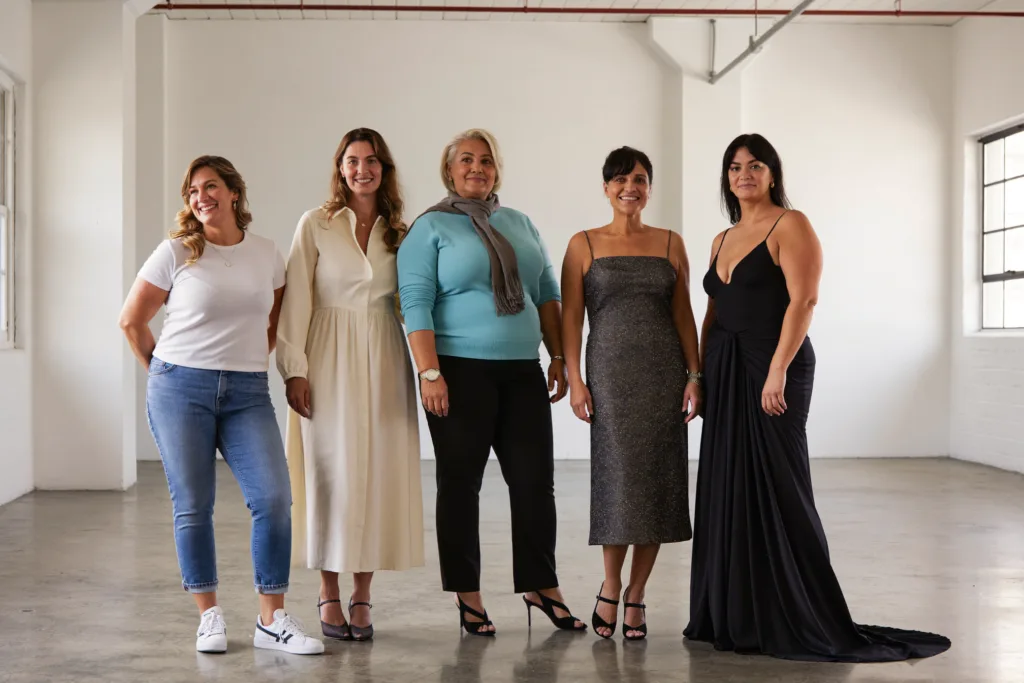
Think of formality as three dials you turn together: length, fabric and structure. Moving up the scale, hemlines generally drop (mini to knee to midi to floor), fabrics get richer (cotton and denim give way to crepe, silk, satin, velvet and beading) and shapes get more deliberate (tailoring, defined waists, sculpted bodices). Accessories follow the same logic: sneakers and canvas totes at the bottom, fine jewelry, evening bags and heels at the top.
How to Read the Dress Code on an Invitation
Invitations usually place the dress code at the bottom of the card, sometimes in a corner or on the event website. Read it together with three other clues: the start time (after 6 p.m. reads dressier), the venue (hotel ballroom vs backyard) and the wording style of the invitation itself. Engraved, formal wording often hints at a dressier crowd even when no code is printed. Vague words like “dressy,” “festive” or “come as you are” are covered later in this guide.
Casual and Dressy Casual
Casual means everyday clothes that are clean, fitted and appropriate for the setting, such as jeans, tees, knits and sneakers. Dressy casual keeps that comfort but adds intention: a sundress instead of shorts, a silk top instead of a tee, sandals or flats instead of running shoes. Both are common for barbecues, brunches and relaxed parties.
What Casual Means for Women
“Casual” on an invitation is never “anything goes.” It means the clothes you would wear to a nice weekend lunch, not what you would wear to the gym. Good casual staples include:
- Well-fitting jeans or chinos without heavy distressing
- T-shirts, knit tops and simple button-downs
- Sundresses, denim skirts or casual jumpsuits
- Clean sneakers, sandals or flats
Dressy Casual vs Casual
Dressy casual sits one notch higher. Swap one or two pieces for something more refined and you are there: a midi skirt instead of denim shorts, a silk shell instead of a tee, a structured bag instead of a backpack. Dark jeans can still work, but pair them with an elevated top and polished shoes.
| Casual | Dressy casual | |
|---|---|---|
| Bottoms | Jeans, shorts, casual skirts | Dark jeans, tailored pants, midi skirts |
| Tops | Tees, knits, casual shirts | Blouses, silk camis, fine knits |
| Dresses | Cotton sundresses | Printed midi or wrap dresses |
| Shoes | Sneakers, sandals | Loafers, flats, low block heels, dressy sandals |
Smart Casual
Smart casual is a relaxed but put-together dress code for social settings, such as a nice restaurant, gallery opening or casual work event. It mixes casual pieces with tailored ones: dark jeans with a blazer, a knit dress with ankle boots, or trousers with a fine sweater. The goal is effortless polish rather than office formality.
A dependable smart casual formula is one tailored piece + one relaxed piece + one polished accessory. For example: a navy blazer, a striped tee and gold hoops; or wide-leg trousers, a cashmere crewneck and leather loafers. Avoid athletic wear, flip-flops and anything visibly worn out. Jumpsuits in crepe or a soft twill also fit this code perfectly and are an easy alternative to a dress.
Business Casual and Business Formal
Business casual is the most common office dress code: polished, professional pieces without a full suit, such as trousers, midi skirts, blouses, knits and an optional blazer. Business formal, also called business professional, is the conservative step above, built around matching suits, sheath dresses with jackets and closed-toe shoes for interviews, client meetings and formal workplaces.
Business Casual Basics
Business casual changes from office to office, so start with the safe core and adjust:
- Bottoms: tailored trousers, ankle pants, pencil or midi skirts
- Tops: blouses, shells, fine-gauge knits, button-downs
- Layers: blazers, cardigans, structured jackets
- Shoes: loafers, low heels, ballet flats, clean ankle boots
Dark, well-fitted jeans may be fine in relaxed offices or on casual Fridays, but watch what senior colleagues wear before you rely on them.
Business Formal and Business Professional
Business formal is about structure and restraint. A matching pantsuit or skirt suit in navy, charcoal, black or another quiet tone is the classic choice; a sheath dress with a tailored jacket works equally well. Keep hemlines at or just below the knee, choose closed-toe pumps or polished flats and keep jewelry minimal. For interview-ready looks, read our guide to interview outfits for women. This is the code most people mean when they say “dress for an interview.”
Do
- Do choose tailored trousers, blouses and blazers that fit well through the shoulders.
- Do keep business formal colors quiet and jewelry minimal.
Don’t
- Don’t wear distressed denim, athletic leggings or flip-flops to a business casual office.
- Don’t confuse smart casual with business casual; smart casual is social, business casual is office-ready.
What Does Semi-Formal Mean for Women?
Semi-formal means dressy but not black tie: a knee-length or midi dress, a dressy jumpsuit or polished separates such as a silk blouse with tailored trousers. It shifts with the clock. Daytime semi-formal favors lighter colors and fabrics, while evening semi-formal invites darker shades, richer fabrics and a little more shine. For outfit ideas by event, see our guide to semi formal attire for women.
Semi-formal is often used for weddings, holiday parties, graduations and dinners. Practical guidelines:
- Hemline: knee to midi is the sweet spot; a tea-length skirt also works.
- Fabrics: crepe, chiffon, jersey, lightweight silk; save heavy sequins for evening.
- Pants option: wide-leg trousers with a silk top, or a fluid jumpsuit with heels.
- Shoes: block heels, dressy flats or strappy sandals.
- Modest option: a long-sleeve midi dress or a tunic over wide trousers in a fluid fabric reads elegant and fully appropriate.
What Is Cocktail Attire?
Cocktail attire is a dressy, usually evening dress code centered on the cocktail dress: a knee-length to midi silhouette in an elegant fabric, worn with heels and statement accessories. Dressy jumpsuits and tailored evening separates also qualify. It is a touch more glamorous than semi-formal but stops short of floor-length formal wear.
Fabric does a lot of the work at this level. Satin, silk, velvet, lace, crepe and subtle metallics all signal “cocktail” instantly, while matte cotton reads too casual. Hemlines usually land from just above the knee to midi. If you prefer pants, a wide-leg satin trouser with a sleek top or a one-shoulder jumpsuit looks just as intentional as a dress.
Cocktail Attire for a Wedding
Cocktail is the most common wedding dress code. Choose a midi or knee-length dress in a color or print that will not be confused with the bride, so skip white, ivory and anything that photographs as cream. For outdoor or daytime weddings, lean into florals and lighter fabrics; for evening, jewel tones and richer textures. Our guide to color combinations for outfits shows which shades pair best. Bring a wrap or tailored jacket for the ceremony if the venue is a church or the evening turns cool.

Formal, Black Tie Optional and Creative Black Tie
These are the “gray zone” codes between cocktail and black tie. Formal and black tie optional both mean a floor-length gown is welcome but an elegant midi or cocktail dress in a luxe fabric is also acceptable. Creative black tie keeps black tie’s formality while inviting personality through color, texture or a fashion-forward silhouette.
Black Tie Optional
Black tie optional is the host’s way of saying, “We are dressing up, and you can join us at whatever level is comfortable.” For women, that means a floor-length dress, a dressy midi in satin or crepe or sharp evening separates such as a tuxedo-style pantsuit with a silk camisole. Keep the overall look evening-appropriate: richer fabrics, refined jewelry and heels or dressy flats.
Creative Black Tie
Creative black tie is formal with a wink. You can wear a sculptural gown, a bold color, an embellished jacket over wide trousers or a dramatic jumpsuit. The silhouette and fabric still need to feel formal; the creativity lives in color, print, texture or accessories. It is common at galas, art events and themed celebrations.
| Code | Floor-length required? | Pants or jumpsuit OK? | Best fabrics |
|---|---|---|---|
| Formal | No, but welcome | Yes, if dressy | Crepe, satin, chiffon |
| Black tie optional | No, but encouraged | Yes, tailored evening pants | Satin, silk, velvet |
| Creative black tie | No | Yes, encouraged | Any rich fabric, embellishment |
| Black tie | Usually | Only very formal evening styles | Silk, satin, velvet, beading |
What Does Black Tie Mean for Women?
Black tie is a formal evening dress code where women traditionally wear a floor-length gown. A very elegant cocktail dress or formal midi can also work in many settings, and a sleek, floor-length evening pantsuit or jumpsuit is increasingly accepted. Expect events after 6 p.m., such as galas, formal weddings, charity balls and opera openings.
To nail black tie, focus on three things:
- Length: floor-length is the safest and most traditional choice. If you choose shorter, make it unmistakably formal in fabric and cut.
- Fabric: silk, satin, velvet, crepe, chiffon, sequins and beading.
- Finishing: evening bag or clutch, heels or dressy flats, polished hair and fine or statement jewelry.
Stylist’s tip
Fabric signals formality faster than cut. A simple column dress in heavy satin will read more black tie than an elaborate design in cotton jersey. If your budget allows only one “formal” splurge, put it toward a floor-length dress in a dark, solid, high-quality fabric you can restyle with different jewelry for years.
White Tie
White tie is the most formal dress code, reserved for state dinners, formal balls and certain ceremonial events. For women, it means a full-length ball gown, often with long evening gloves, refined jewelry and an evening bag. Shorter dresses, pants and casual fabrics are not appropriate. Hair and makeup are typically polished and elegant.
White tie is rare, so if you receive such an invitation, treat it literally. Choose a gown that reaches the floor, in silk, satin, taffeta or another luxurious fabric. Long gloves are traditional; remove them to eat and drink. Keep accessories elegant rather than trendy, and check the event’s guidance on details like tiaras or decorations, which are customary only at certain occasions.
Themed and Special-Occasion Dress Codes
Themed dress codes adjust the standard scale for a specific mood, season or setting. Festive attire adds holiday color and sparkle; beach formal and casual wedding attire adapt formality to sand and sun; garden, tea party and other themes add a story. Always anchor the theme on a familiar base formality first.
Festive and Holiday Attire
Festive attire usually means semi-formal or cocktail plus a seasonal wink: velvet, sequins, metallics, tartan, jewel tones or a bold red lip. A sequin top with satin trousers or a velvet midi dress hits the mark. Novelty sweaters belong only at parties that explicitly ask for them.
Beach Formal and Casual Wedding Attire
Beach formal is dressy but practical: flowy midi or maxi dresses in chiffon, linen blends or light silk, with flat sandals or wedges that will not sink into sand. Casual wedding attire sits around dressy casual to semi-formal, so a floral sundress or a polished jumpsuit is ideal. In both cases, avoid white and stiletto heels.
Garden, Tea Party and Themed Codes
Garden party and tea party codes favor daytime femininity: floral prints, pastels, tea-length dresses, light cardigans and block heels that will not sink into lawn. For full outfit ideas, see our guide to tea party attire for women. Themed codes such as “all black,” “golf chic” or a costume-period theme set a color or reference point, so respect the theme first and keep your formality matched to the venue. Heading to the course itself? Read our guide to golf attire for women.
Dress Codes for Weddings: Guest Cheat Sheet
Wedding dress codes follow the same scale as any event, with one universal rule: do not wear white, ivory or anything that could be mistaken for bridal. Most weddings use casual, beach formal, cocktail, black tie optional or black tie. Match your hemline and fabric to the code, then adjust for time and venue.
| Wedding dress code | Outfit idea | Shoes | Avoid |
|---|---|---|---|
| Casual | Floral midi or polished jumpsuit | Sandals, flats, block heels | Denim shorts, white |
| Beach formal | Chiffon maxi or flowy midi | Flat sandals, wedges | Stilettos, heavy fabrics |
| Cocktail | Satin or crepe midi, dressy jumpsuit | Heels or dressy flats | Bridal colors, overly casual cotton |
| Black tie optional | Floor-length dress or luxe midi | Heels | Daywear fabrics |
| Black tie | Floor-length gown | Heels or dressy flats | Short casual dresses |

What to Do When the Dress Code Is Unclear
When the dress code is missing or vague, read the clues: start time, venue, season and the tone of the invitation. Then dress one small step above your best guess. Arriving slightly overdressed is easy to fix by removing a jacket or jewelry; arriving underdressed is much harder to fix on the spot.
Read Venue, Time and Season Clues
Use this decision process:
- Check the time. Daytime events lean lighter and more relaxed; evening events lean dressier.
- Look at the venue. A hotel ballroom or historic estate suggests cocktail or above; a backyard, brewery or beach suggests casual to dressy casual.
- Consider the season. Winter invites velvet, wool crepe and darker tones; summer invites linen blends, chiffon and lighter colors.
- Read the wording. “Dressy” usually means semi-formal to cocktail. “Festive” means cocktail with holiday sparkle. “Come as you are” means casual, but still clean and intentional.
- Pick a versatile base. A midi dress or dressy jumpsuit can be styled up with heels and jewelry or down with flats and a denim jacket.
When to Ask the Host
If the clues still conflict, ask. A short, friendly message such as “I want to make sure I dress right; are most guests going dressy or relaxed?” is perfectly polite. For weddings, the couple’s website or the wedding party often has the answer. For work events, ask a colleague who attended last year.
Do
- Do dress slightly above your best guess when the code is unclear.
- Do bring a layer, such as a blazer or wrap, that can dress an outfit up or down.
Don’t
- Don’t wear white or ivory to a wedding unless the couple specifically asks for it.
- Don’t assume “casual” means athleisure or beachwear.

Frequently asked questions
What are the different types of dress codes?
From least to most formal, the main dress code types are casual, dressy casual, smart casual, business casual, business formal, semi-formal, cocktail, formal or black tie optional, black tie and white tie. Themed codes such as festive, beach formal and garden party adapt these levels for a specific occasion, season or setting.
What is the most formal dress code?
White tie is the most formal dress code. Women wear a full-length ball gown, usually in silk, satin or taffeta, often with long evening gloves and refined jewelry. It appears mainly at state dinners, formal balls and ceremonial events, and shorter dresses or pants are not considered appropriate.
What is the difference between smart casual and business casual?
Smart casual is a social dress code that mixes relaxed and tailored pieces, such as dark jeans with a blazer. Business casual is designed for the office and leans more professional: tailored trousers or skirts, blouses and knits, and polished shoes. Denim is common in smart casual but limited in business casual.
What does semi-formal mean for a woman?
Semi-formal means a knee-length or midi dress, a dressy jumpsuit or polished separates like a silk blouse with tailored trousers. Daytime semi-formal favors lighter colors and fabrics, while evening semi-formal allows darker tones and a little shine. Pair with block heels, dressy flats or strappy sandals and simple jewelry.
Is cocktail attire the same as semi-formal?
They are close but not identical. Cocktail attire usually leans evening and slightly dressier, built around a cocktail dress in satin, silk, velvet or lace with heels. Semi-formal can be daytime or evening and allows simpler fabrics. Both typically use knee-to-midi hemlines, and both accept dressy jumpsuits and tailored separates.
Are jeans ever appropriate for business casual?
Sometimes. Dark, well-fitted jeans without rips can work in relaxed offices or on casual Fridays, especially with a blazer and polished shoes. In more traditional workplaces they are not appropriate. Check your company’s written policy and what managers wear before making jeans part of your business casual rotation.
What are common dress codes for weddings?
Common wedding dress codes are casual, beach formal, cocktail, black tie optional and black tie. Choose a floral midi for casual, a flowy maxi with flat sandals for beach formal, a satin or crepe midi for cocktail and a floor-length gown for black tie. Avoid white or ivory at every level.

