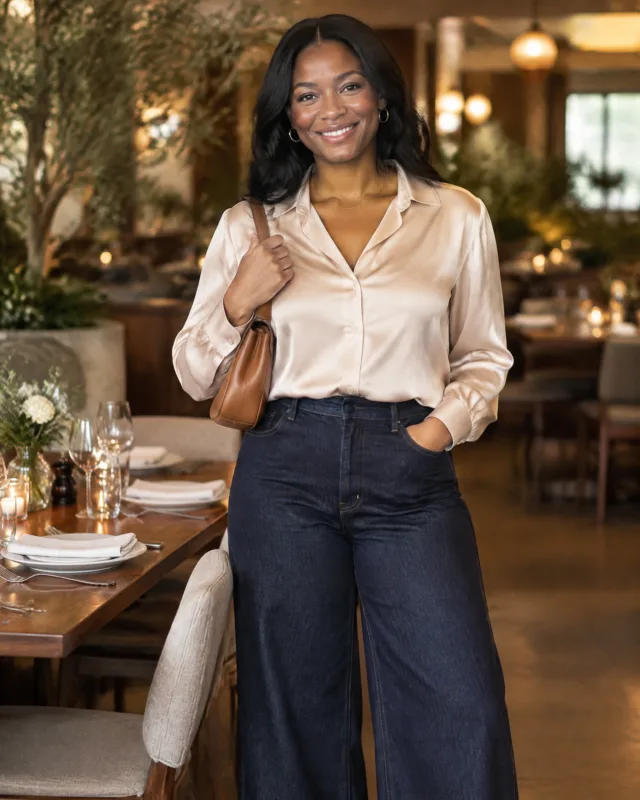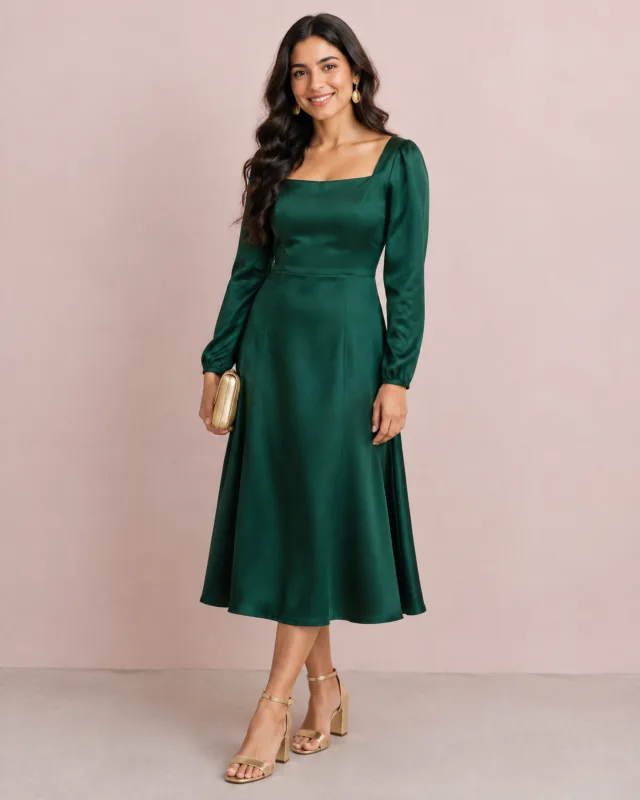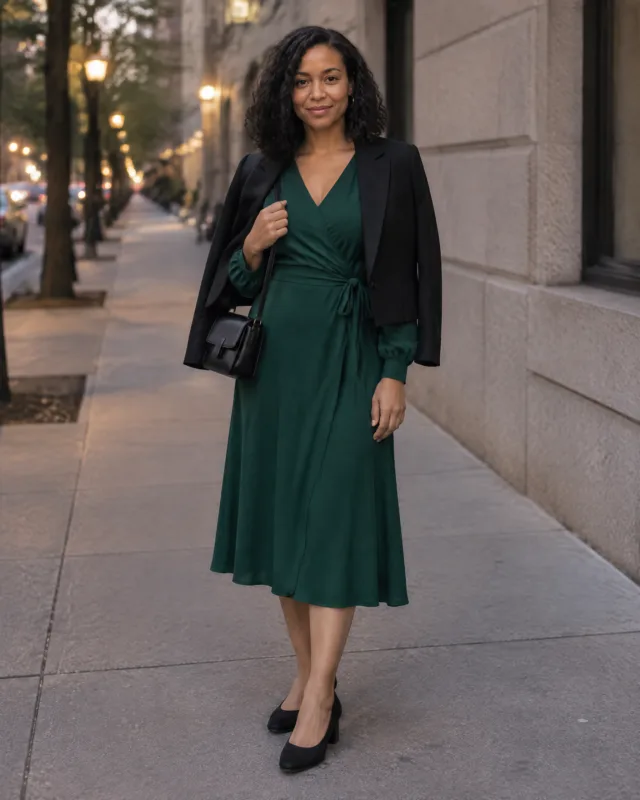


Figuring out what to wear in Hawaii is easier than it looks: think light, breathable, and practical, with a few pieces that can go from beach to dinner without a full outfit change.
The short answer is to pack airy cotton and linen basics, two or three swimsuits with a cover-up, sandals plus one pair of closed-toe shoes, a light layer for breezy evenings, and a packable rain jacket. Island style is relaxed, so comfort and sun protection matter more than trends. For beach-to-dinner looks you can take to any warm destination, see our vacation outfits for women. For more occasion guides, browse our full what to wear hub. Hawaii is one of the warm-weather trips in our vacation outfits by destination hub.
Quick answer
- Hawaii’s dress code is casual: sundresses, shorts, linen pants, tees, and sandals work almost everywhere.
- Pack two or three swimsuits and always add a cover-up once you leave the sand or pool deck.
- Bring one pair of closed-toe shoes for hiking and zipline days, plus water shoes for rocky shorelines.
- A light sweater and a packable rain jacket cover breezy evenings, mountain areas, and passing showers.
- Choose mineral, reef-friendly sunscreen and sun-protective layers instead of relying on sunscreen alone.
- Dress modestly and respectfully at cultural sites, churches, and anywhere locals gather for ceremonies.
What to Wear in Hawaii: Quick Answer
Wear light, loose, breathable clothes most of the day, such as cotton tees, linen shorts, and flowy sundresses, then add a swimsuit with a cover-up for the beach. Finish with sandals, a wide-brim hat, sunglasses, and a thin layer for evenings. A packable rain jacket handles quick tropical showers on any island.
Hawaii’s sea-level weather stays warm year-round, usually somewhere in the 70s to upper 80s °F, with humidity and trade winds that make lightweight fabric the smartest choice. The bigger variables are rain, altitude, and what you plan to do. A beach-and-pool trip needs very little; a trip with sunrise at a mountain summit, rainforest hikes, and a nice dinner needs a few extra layers and one dressier outfit.
A simple formula that works for most women:
- Day: a tee or tank, shorts or a skirt, sandals, hat.
- Beach: swimsuit, cover-up or sarong, rash guard for long water days.
- Evening: maxi dress or linen set, flat or wedge sandals, light cardigan.
- Active: quick-dry shorts or leggings, breathable top, sneakers or trail shoes.
Hawaii Style and Aloha Attire Explained
Hawaii style is relaxed, comfortable, and rooted in local culture, often called “aloha attire.” For women, that usually means sundresses, floral or solid maxi dresses, linen pants, and nice sandals. Even upscale restaurants rarely ask for more than “resort casual,” so heels, blazers, and heavy fabrics are almost never necessary.
Aloha attire grew from island life, where heat, humidity, and an outdoor lifestyle shaped how people dress. Locals tend to dress simply: clean shorts or jeans, a casual top, and slippers (the local word for flip-flops). You will often see floral prints, but the overall look is understated rather than costume-like.
How to Dress Like a Local, Not a Tourist
Visitors tend to stand out by overdoing it, with matching head-to-toe tropical prints, brand-new plastic leis worn all day, or beach wear in town. To blend in:
- Choose one printed piece per outfit and keep the rest solid.
- Wear a cover-up, shorts, or a dress over your swimsuit when you leave the beach, enter shops, or sit down to eat.
- Pick neutral, earthy, or ocean colors that work with the landscape.
- Skip anything that treats Hawaiian culture as a costume, such as novelty grass skirts or coconut tops outside a themed party.
Respecting Local Culture
Hawaii is home to living Native Hawaiian traditions, and some places are sacred. At cultural sites, historic churches, and memorials, cover your shoulders and swimwear, keep voices low, and follow posted guidance. If someone gives you a lei, accept it graciously and avoid removing it in front of the person who gave it. Never take rocks, sand, or plants from protected sites as souvenirs.

Beach and Pool Day Outfits
For beach and pool days, wear a comfortable swimsuit you can move and swim in, a cover-up for walking to lunch or the car, a wide-brim hat, sunglasses, and slip-on sandals. Add a long-sleeve rash guard or sun shirt for snorkeling or long hours outside, since the tropical sun is intense.
Pack at least two swimsuits so one can dry while you wear the other; humidity means suits can stay damp overnight. A one-piece or a supportive two-piece with a high-waist bottom works well for active water days, while a cover-up gives you coverage between activities.
Cover-up options that pack small:
| Cover-up | Best for | Why it works |
|---|---|---|
| Sarong or pareo | Beach walks, lunch spots | Ties as a skirt, dress, or shawl; dries fast |
| Linen button-down | Sun protection, casual cafés | Breathable sleeves; doubles as an evening layer |
| Knit or gauze maxi dress | Resort pools, boardwalks | Full coverage without heat |
| Rash guard + board shorts | Snorkeling, paddleboarding | UPF coverage that stays put in waves |
| Shorts + tee | Driving between beaches | Simple, easy, and practical |
Modest Beach Options and Sun-Protective Clothing
If you prefer more coverage, a long-sleeve rash guard, swim leggings, or a swim dress gives full movement with built-in sun protection. Look for fabrics labeled UPF 50+ and lighter colors for comfort. A loose linen shirt over your swimsuit is also a simple, breathable middle ground.

Stylist’s tip
Rinse your swimsuits in fresh water after each beach day and hang them in the shade. Salt, sand, and strong sun can fade colors and wear down stretch fabric over a week-long trip.
Outfits for Activities
Activity outfits in Hawaii should prioritize grip, sun protection, and quick-dry fabric over style. For most tours, wear moisture-wicking shorts or leggings, a breathable top, a hat, and closed-toe shoes with traction. Pack a swimsuit underneath for water activities and a light jacket for early starts or higher elevations.
Hiking
Trails can be muddy, rocky, and slippery, especially on the wetter sides of the islands. Wear trail shoes or sturdy sneakers with tread, quick-dry shorts or leggings, a moisture-wicking tee, and a lightweight rain shell. Dark colors hide red-dirt stains better than white. For layering basics and trail footwear, see our guide on what to wear hiking.
Snorkeling and Boat Trips
Wear your swimsuit under a rash guard and quick-dry shorts, then add water shoes or sandals with straps. On boats, a hat with a chin strap, polarized sunglasses, and a light windbreaker help with spray and wind. Bring a dry layer and a towel for the ride back, since wind on deck can feel cool even on warm days.
Ziplining
Most zipline courses require closed-toe shoes, and many ask you to secure loose items. Wear fitted shorts or leggings that sit comfortably under a harness, a breathable top, and a hair tie. Skip dresses, skirts, and dangling jewelry. Check your tour’s current requirements before you go.
If your trip includes river or kayak tours, our guide to what to wear white water rafting covers quick-dry layers in more detail.

Dinner, Luau and Sunset Cruise Outfits
For dinners, luaus, and sunset cruises, wear a breezy maxi dress, a linen set, or a flowy skirt with a simple top, plus flat sandals or wedges. Resort casual is the standard. Bring a light cardigan or wrap for ocean breezes, and choose flats or wedges for grass, sand, and boat decks.
A luau is usually outdoors on grass or sand, so stilettos sink and sneakers feel too casual. A floral or solid sundress with wedge sandals hits the right note. A Hawaiian party outfit at home can lean more playful, but on the islands, simple and colorful looks more natural than costume pieces.
For dinners, a linen outfits for women approach is hard to beat: wide-leg linen pants with a silk-feel camisole, or a matching linen set, stays cool and looks polished. Sunset cruises call for the same pieces plus a wrap or denim jacket, since temperatures drop once the sun goes down and the wind picks up on the water. Many of the same layers appear in our cruise outfits for women guide.
Over-40 and Plus-Size Hawaii Outfits
Every outfit here works at any age and size. Tiered maxi dresses, wide-leg linen pants, and wrap dresses offer airflow and movement. Swim dresses, high-waist swim bottoms, and tankini tops give coverage options with support. Choose breathable fabrics and anti-chafe shorts or balm for long walking days; comfort is what makes an outfit feel good in the heat.

What to Wear in Hawaii by Month
Hawaii is warm all year, so monthly packing changes are small. Winter months tend to bring more rain, cooler evenings, and bigger waves on north-facing shores, while summer is usually drier and a little warmer. Pack the same core wardrobe year-round, then add an extra layer and rain gear from late fall through early spring.
| Season | Typical feel at sea level | What to add |
|---|---|---|
| Winter (Dec–Feb) | Warm days, cooler nights in the 60s °F, more showers | Light sweater, rain jacket, closed-toe shoes |
| Spring (Mar–May) | Warm, mix of sun and showers | Light cardigan, packable rain layer |
| Summer (Jun–Aug) | Hottest and generally driest | Extra swimsuit, sun shirt, breathable dresses |
| Fall (Sep–Nov) | Warm, humid, showers increase later | Light layer, quick-dry pieces |
Winter (December–February)
What to wear in Hawaii in December or January is still summer clothing, plus a light sweater or denim jacket for evenings, a rain jacket, and closed-toe shoes for wet trails. Holiday dinners are a great time for a dressier maxi dress.
Spring (March–May)
Spring brings warm days with passing showers. Pack your beach basics, a lightweight cardigan, and a packable rain layer. Spring break crowds mean casual is the norm almost everywhere.
Summer (June–August)
Summer is typically the hottest stretch. Prioritize linen, cotton, and sun shirts, and pack an extra swimsuit. Wide-brim hats and breathable dresses keep you comfortable during long, sunny days.
Fall (September–November)
Early fall still feels like summer, with humidity and warm water. By November, showers become more common, so add a light layer and quick-dry pieces that handle rain.
Island-Specific Differences
Temperatures change with elevation more than with month. Mountain summits on the Big Island and Maui can be near freezing before sunrise, so a warm jacket, long pants, a hat, and gloves are smart if you plan a summit visit. Upcountry areas and rainforest regions run cooler and wetter than resort coasts. Windward (east-facing) sides of the islands usually get more rain than leeward (west-facing) sides.
Shoes to Pack for Hawaii
Pack three or four pairs of shoes for Hawaii: comfortable sandals or flip-flops for everyday wear, water shoes for rocky beaches and tide pools, sneakers or trail shoes for hiking and ziplining, and one dressier pair of flat sandals or wedges for dinners. Leave stilettos and heavy boots at home.
| Shoe | Use | Tip |
|---|---|---|
| Flip-flops or slides | Beach, pool, casual errands | Choose a cushioned footbed for walking |
| Water shoes | Rocky shores, snorkeling entries | Protect feet from lava rock and coral |
| Trail shoes or sneakers | Hikes, ziplines, tours | Pick a dark color that hides red dirt |
| Wedges or dressy flat sandals | Dinners, luaus, cruises | Wedges stay stable on grass and decks |

7-Day Hawaii Packing List for Women
A 7-day Hawaii packing list for women fits in a carry-on if you pick a mix-and-match capsule. Plan on two or three swimsuits, one cover-up, four to five tops, two to three bottoms, two dresses, three pairs of shoes, a light jacket, and a rain layer. Choose a neutral base with one or two accent colors.
| Category | Pieces | Notes |
|---|---|---|
| Swim | 2–3 swimsuits, 1 cover-up or sarong, 1 rash guard | Rotate so one is always dry |
| Tops | 4–5 (tees, tanks, linen button-down) | The button-down doubles as a cover-up |
| Bottoms | 2–3 (denim or linen shorts, linen pants, skirt) | One long bottom for cooler evenings |
| Dresses | 2 (casual sundress, maxi for dinner) | Pick wrinkle-resistant fabrics |
| Layers | 1 light sweater or denim jacket, 1 packable rain jacket | Add a warm jacket for a summit visit |
| Shoes | Sandals, sneakers or trail shoes, wedges | Add water shoes if snorkeling |
| Accessories | Wide-brim hat, sunglasses, crossbody bag, dry bag | Keep jewelry minimal |
| Extras | Reef-friendly sunscreen, refillable water bottle, anti-chafe balm | Check local sunscreen rules |
Mix the pieces like this: day one, shorts with a tank and sandals; day two, swimsuit and sarong; day three, trail outfit; day four, linen pants with the button-down; and so on, repeating tops with different bottoms. For more capsule ideas you can adapt to other trips, browse our travel outfits for women guide.

What Not to Wear or Bring to Hawaii
Avoid packing heavy jeans, wool, too many heels, formal wear, and lots of dark synthetic fabrics that trap heat. Skip sunscreens with ingredients restricted in Hawaii, and do not plan to wear swimwear alone in shops or restaurants. Leave valuable jewelry at home, since salt water, sand, and sunscreen can damage it.
Do
- Pack breathable cotton, linen, and quick-dry fabrics.
- Bring one light layer and a packable rain jacket.
- Cover up when leaving the beach or pool area.
- Choose mineral, reef-friendly sunscreen and check current local rules.
Don’t
- Pack several pairs of heels or heavy boots.
- Wear heavy denim or wool on warm days.
- Treat Hawaiian cultural dress as a costume.
- Take rocks, sand, or plants from beaches or sacred sites.
Hawaii has restricted the sale of sunscreens containing certain chemical filters, including oxybenzone and octinoxate, to protect coral reefs. Rules can change, so check the current state guidance before you buy. Mineral sunscreens with non-nano zinc oxide are a popular choice, and sun shirts reduce how much sunscreen you need in the first place.
If your trip mixes yoga classes with beach days, our guide on what to wear to hot yoga covers breathable pieces that also pack well for warm-weather travel.
Temperatures, rainfall, and activity requirements vary by island and by year. Check the forecast for your specific island and your tour operator’s current guidelines before you finalize your suitcase.
Frequently asked questions
How do tourists dress in Hawaii?
Most visitors dress casually in sundresses, shorts, tees, tank tops, and sandals. Island style is relaxed, so comfort comes first. Add a swimsuit with a cover-up for the beach and a breezy maxi dress or linen set for dinner. Wearing a cover-up away from the sand helps you look more like a local.
How do I pack for 7 days in Hawaii?
Pack two or three swimsuits, a cover-up, four to five tops, two to three bottoms, two dresses, three pairs of shoes, a light jacket, and a rain layer. Choose a neutral base with one or two accent colors so every top works with every bottom, and roll items to fit a carry-on.
What should I not bring to Hawaii?
Leave heavy clothes, several pairs of heels, formal wear, and valuable jewelry at home. Skip sunscreens with ingredients restricted in Hawaii and check current local rules before buying. Thick denim and wool feel uncomfortable in the humidity, and most restaurants welcome resort casual outfits rather than formal attire.
Can you wear red in Hawaii?
Yes, visitors can wear red in Hawaii, and there is no general rule against it. Bright colors and floral prints are common across the islands. What matters more is dressing respectfully at cultural sites, churches, and ceremonies by covering shoulders and swimwear and following any guidance posted or shared by hosts.
Should I pack jeans for Hawaii?
One lightweight pair of jeans is enough for flights, cool evenings, or a mountain summit visit. For most days, linen pants, cotton shorts, and flowy skirts feel far more comfortable in the heat and humidity. Heavy denim takes a long time to dry if it gets caught in a rain shower.
What should I wear in Hawaii in December?
December in Hawaii still calls for warm-weather clothing, such as sundresses, shorts, and swimsuits. Add a light sweater or denim jacket for cooler evenings, a packable rain jacket for showers, and closed-toe shoes for wet trails. If you plan a sunrise summit visit, bring a warm jacket, long pants, and gloves.