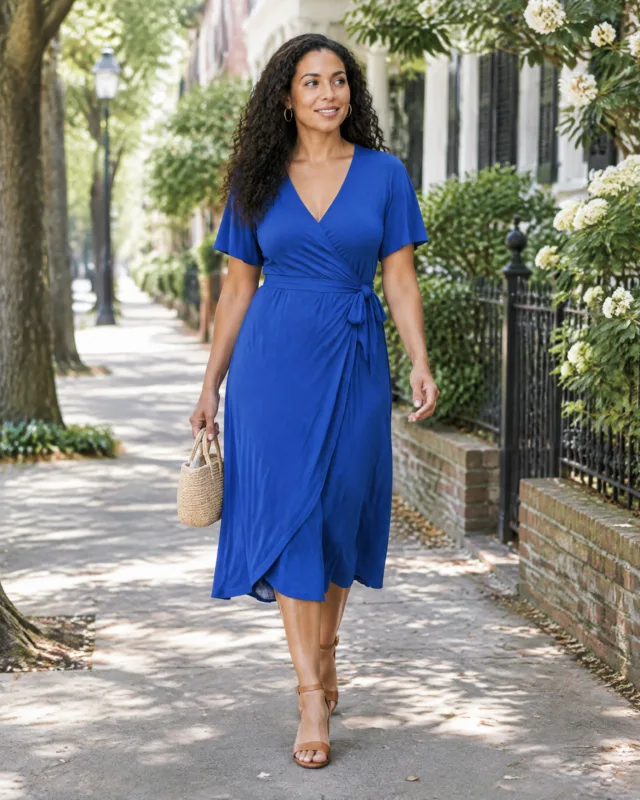

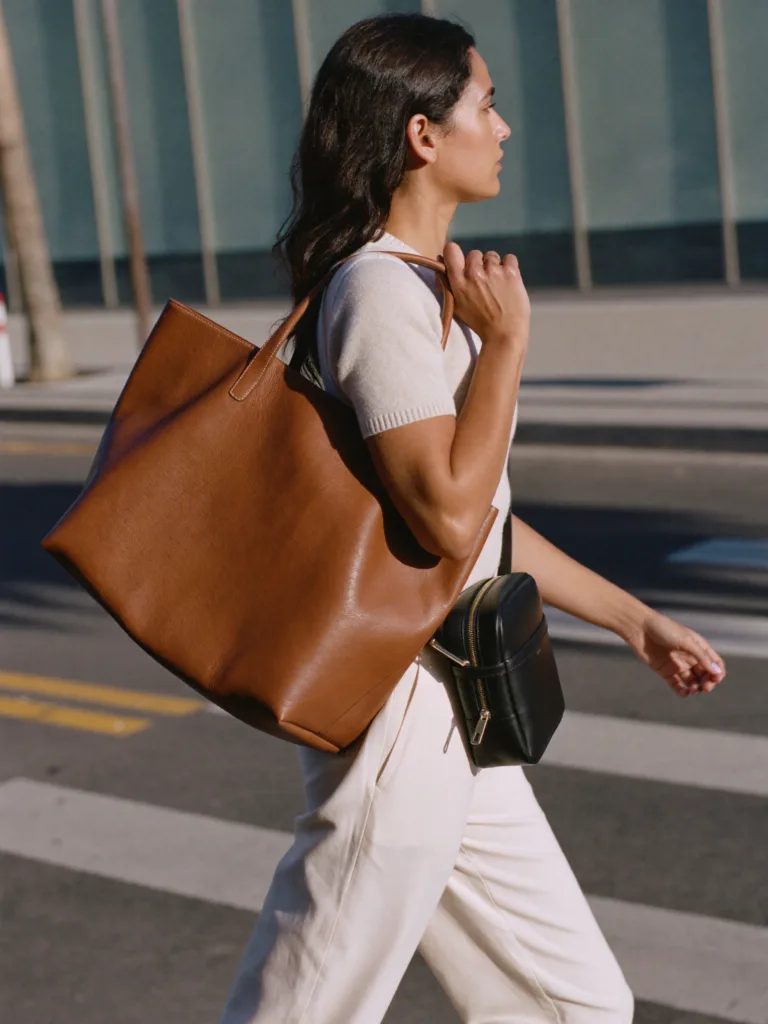
The main types of bags for women are totes, shoulder bags, hobos, satchels, crossbody bags, backpacks, clutches and travel bags, and each one is defined by its shape, size and how you carry it. Below you’ll find 30 handbag styles with names, quick definitions and when to use each. Bags are a core part of every look in our guide to types of fashion styles, so knowing the vocabulary makes shopping and styling far easier. Our work outfits for women hub shows the bags that suit each office dress code.
Quick answer
Quick answer: Types of handbags fall into five groups: everyday bags (tote, shoulder, hobo, satchel, bucket), hands-free bags (crossbody, belt bag, backpack), structured top-handle bags, evening bags (clutch, minaudiere, wristlet) and travel bags (weekender, duffel).
- Carry style (hand, shoulder, crossbody, waist) is the fastest way to identify a bag.
- Structured bags look polished; slouchy bags feel relaxed.
- Strap drop length decides whether a bag sits under the arm or at the hip.
- Leather lasts longest; nylon and canvas are the most practical.
- Most women are well covered with three to five bags.
Types of Bags at a Glance
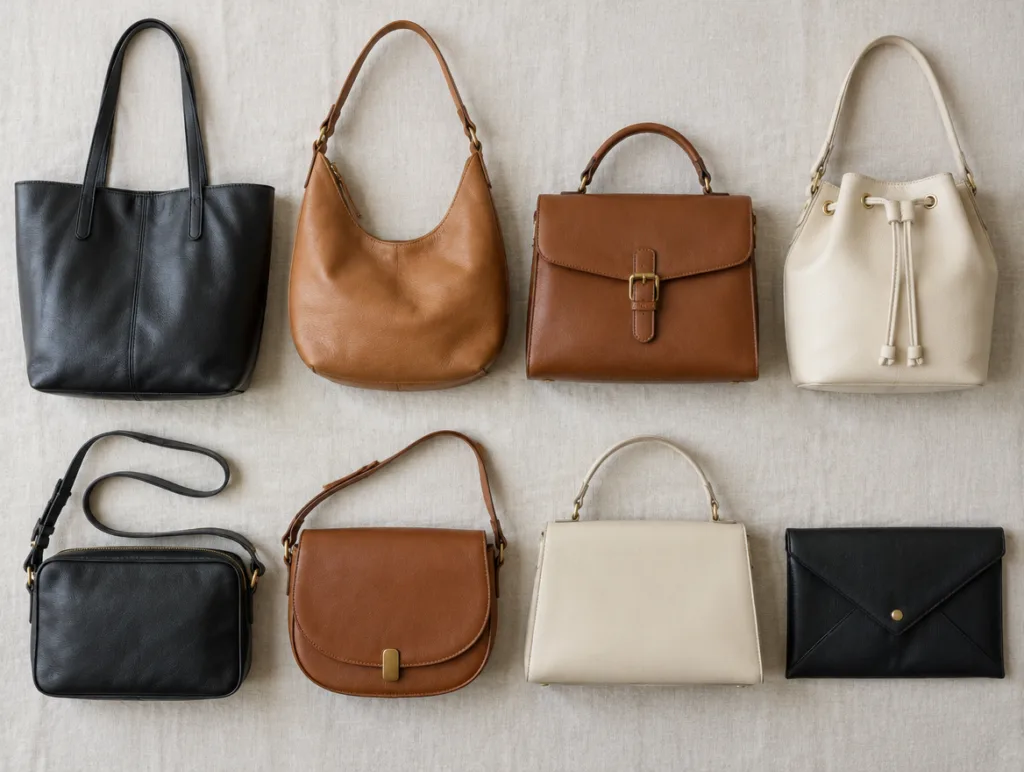
There are dozens of bag names, but most handbags fit into 30 common styles grouped by use: everyday, hands-free, structured, evening and travel. The table below lists each type with its carry style and what it suits best, so you can identify a bag quickly before reading the detailed sections.
| # | Bag Type | How It’s Carried | Best For |
|---|---|---|---|
| 1 | Tote | Hand or shoulder | Work, errands, laptops |
| 2 | Shoulder bag | Shoulder | Everyday |
| 3 | Hobo | Shoulder | Casual, relaxed outfits |
| 4 | Satchel | Hand or crossbody | Work, school |
| 5 | Bucket bag | Shoulder | Weekends |
| 6 | Crossbody | Across the body | Errands, travel |
| 7 | Saddle bag | Crossbody | Casual, western looks |
| 8 | Messenger | Across the body | Commuting |
| 9 | Belt bag | Waist or chest | Festivals, travel |
| 10 | Backpack | Both shoulders | Commuting, school |
| 11 | Sling bag | One shoulder, across back | Hands-free errands |
| 12 | Camera bag | Crossbody | Day trips |
| 13 | Phone bag | Crossbody | Minimal carry |
| 14 | Top-handle bag | Hand or forearm | Polished outfits |
| 15 | Doctor bag | Hand | Work |
| 16 | Boston bag | Hand | Weekend, work |
| 17 | Frame bag | Hand or chain strap | Dressy daytime |
| 18 | Box bag | Hand or shoulder | Statement looks |
| 19 | Bowling bag | Hand | Casual-polished |
| 20 | Clutch | Hand | Formal events |
| 21 | Envelope clutch | Hand or under the arm | Cocktail, office |
| 22 | Minaudiere | Hand | Black tie |
| 23 | Wristlet | Wrist | Nights out |
| 24 | Baguette | Under the arm | Dinner, date night |
| 25 | Half-moon bag | Shoulder | Day to night |
| 26 | Pouch | Hand | Evening, organizing |
| 27 | Straw/market bag | Hand or shoulder | Summer, beach |
| 28 | Drawstring bag | Shoulder | Casual |
| 29 | Weekender | Hand or shoulder | Short trips |
| 30 | Duffel | Hand or shoulder | Gym, travel |
Everyday Handbag Types
Everyday handbags are medium to large bags you carry daily for work, errands and school. The core styles are the tote, shoulder bag, hobo, satchel and bucket bag. They hold a wallet, phone, keys, sunglasses and often a water bottle or tablet, and they balance capacity with easy access.
Tote
A tote is a large, open-top bag with two parallel handles, usually unstructured with a simple interior. Most fit a 13-inch laptop and a water bottle. Choose leather for work and canvas for weekends or groceries. A zip-top tote is safer for commuting.
Shoulder Bag
A shoulder bag has a single strap with a drop of about 8 to 12 inches, so it sits just under the arm. It is the most common everyday handbag, usually medium-sized with a zip, flap or magnetic closure.
Hobo
A hobo bag is a slouchy, crescent-shaped shoulder bag that collapses when set down. It is roomy and casual, made in soft leather, suede or knit. Hobo and “slouch bag” are often used interchangeably, though slouch bags can be any shape.
Satchel
A satchel is a structured bag with a flat bottom, a top handle and usually a detachable shoulder or crossbody strap, often closing with a flap or zip. It reads more polished than a tote and suits work and school.
Bucket Bag
A bucket bag has a round or oval base, a cylindrical body and a drawstring or open top. It holds more than it looks and works with casual and smart-casual outfits.
Crossbody and Hands-Free Bags
Crossbody and hands-free bags let you move freely while keeping essentials close and secure. Crossbody bags, saddle bags, messengers, belt bags, sling bags and backpacks are the most practical styles for errands, travel, sightseeing and busy days with kids, since the weight sits across your body or back.
Crossbody
A crossbody bag has a long adjustable strap worn diagonally across the torso, so it rests at your hip. Small to medium sizes hold a phone, cardholder and keys. It is the most useful bag for errands and city trips. If you love puff or bishop sleeves, note that a crossbody strap can crush them; our guide to types of sleeves breaks down each shape so you can plan around it.
Saddle Bag
A saddle bag is inspired by horseback riding bags, with a curved bottom, flap closure and crossbody strap. It pairs especially well with denim and boots.
Messenger
A messenger bag is a wider, flatter crossbody with a fold-over flap, originally designed for couriers. It fits documents and a laptop, making it a strong commuting option.
Belt Bag
A belt bag, also called a fanny pack or waist bag, sits on the waist or slung across the chest. It is ideal for festivals, theme parks and travel when you want your hands completely free.
Backpack
A backpack has two shoulder straps and distributes weight evenly. Leather or nylon mini backpacks look polished enough for weekends, while larger styles suit commuting and school. Sling bags, a one-strap cousin, sit across the back.

Top-Handle and Structured Bags
Top-handle and structured bags hold their shape thanks to stiff leather, interfacing or a metal frame, which gives them a polished, put-together look. Top-handle bags, doctor bags, Boston bags, frame bags and box bags suit work, interviews, lunches and dressy daytime events where you want a tidy silhouette.
Top-Handle Bag
A top-handle bag has one or two short handles on top and is carried in the hand or on the forearm. Many include a detachable strap. It instantly elevates jeans and a blazer.
Doctor Bag
A doctor bag is modeled after vintage physician cases, with a wide hinged opening, a flat base and rounded top handles. It is roomy and professional.
Boston Bag
A Boston bag is a barrel-shaped bag with two rolled handles and a zip top. Smaller versions work as everyday bags, while larger ones double as weekenders.
Frame Bag
A frame bag has a rigid metal frame along the top opening, closing with a kiss-lock or clasp. It feels vintage and ladylike and suits dressy daytime outfits.
Evening Bags and Clutches
Evening bags are small, decorative bags sized for a phone, lipstick, cards and keys. The main types are the clutch, envelope clutch, minaudiere, wristlet, baguette and pouch. Choose them for weddings, galas and dinners, matching the formality of the bag to the dress code of the event.
Clutch and Envelope Clutch
A clutch is a strapless bag held in the hand. An envelope clutch has a triangular flap like a letter and works for cocktail events and even the office. For dressy daytime events, see our semi-formal attire for women guide.
Minaudiere
A minaudiere is a small, hard-cased evening bag, often embellished with crystals, beads or metal. It is the most formal option and suits black-tie events. Pair it with a slim stiletto or another dressy style from our guide to types of heels.
Wristlet
A wristlet is a small zip pouch with a short loop worn on the wrist. It works for nights out or as an organizer inside a bigger bag.
Baguette
A baguette is a small, long, narrow shoulder bag with a short strap that sits snugly under the arm, named after the French bread. It works from dinner to date night. Half-moon bags have a similar size but a curved shape.
Travel Bags
Travel bags are larger bags designed to hold clothing and toiletries for trips. The weekender and the duffel are the main styles, along with an oversized carry-on tote for flights. Look for durable materials, sturdy handles, a shoulder strap and a trolley sleeve that slides over a suitcase handle.
Weekender and Duffel
A weekender is a structured, roomy bag for two or three days of clothes, often in leather or canvas. A duffel is softer and cylindrical, originally a sports bag, and is ideal for gym kits and road trips.
Carry-On Tote
A carry-on tote holds in-flight essentials, a laptop and a sweater, and fits under the airplane seat. Pair it with our travel outfits for women for comfortable, polished trips.
Bag Shapes and Carry Styles Explained
The way a bag is built and carried changes how it looks and feels. Structured bags hold their shape and look formal; slouchy bags drape and feel relaxed. Strap drop length, the distance from the top of the strap to the bag opening, decides where it sits on your body, while closures affect security.
- Strap drop: 4–6 in. for hand or forearm carry, 8–12 in. for the shoulder, 20–24 in. for crossbody.
- Closures: Zips are most secure for travel; flaps and magnetic snaps are quick to open; open tops are fastest but least secure.
- Size and frame: Proportion matters. Petite women often prefer small to medium bags that end at the hip; taller women can carry larger totes and hobos without being overwhelmed.
Commonly Confused Bag Names
| Often Confused | The Difference |
|---|---|
| Satchel vs tote | Satchel is structured with a flap or zip; tote is open-top and soft |
| Hobo vs slouch bag | Hobo is crescent-shaped; slouch describes any soft, unstructured bag |
| Baguette vs shoulder bag | Baguette is small and narrow with a short strap; shoulder bags vary in size |
| Clutch vs wristlet | Clutch has no strap; wristlet has a wrist loop |
| Messenger vs crossbody | Messenger is wider and flatter with a fold-over flap |
Bag Materials Guide
The best bag material depends on how hard you use it. Full-grain leather is the most durable and ages well; vegan leather is lighter and cheaper but can crack over time; canvas and nylon are practical, washable and lightweight; straw is a summer-only material best kept dry and away from crushing.
| Material | Durability | Best For | Care Basics |
|---|---|---|---|
| Full-grain leather | Very high | Everyday, work | Condition twice a year |
| Vegan leather | Medium | Trend pieces | Wipe with damp cloth |
| Canvas | High | Totes, travel | Spot clean, air-dry |
| Nylon | High | Backpacks, crossbody | Mild soap and water |
| Suede | Medium | Hobo, bucket | Suede brush, water spray |
| Straw | Low | Summer, beach | Keep dry, store stuffed |
Stylist’s tip
Store leather bags stuffed with tissue paper inside a breathable dust bag and away from direct sun. This keeps structured shapes from collapsing and stops colors from fading.
Which Bags Every Woman Needs First
Most women need three to five bags: an everyday tote or shoulder bag, a hands-free crossbody, an evening clutch and a travel bag. Start with neutral colors like black, tan or cognac, then add trend shapes once the basics are covered. Your lifestyle should decide which bag comes first.
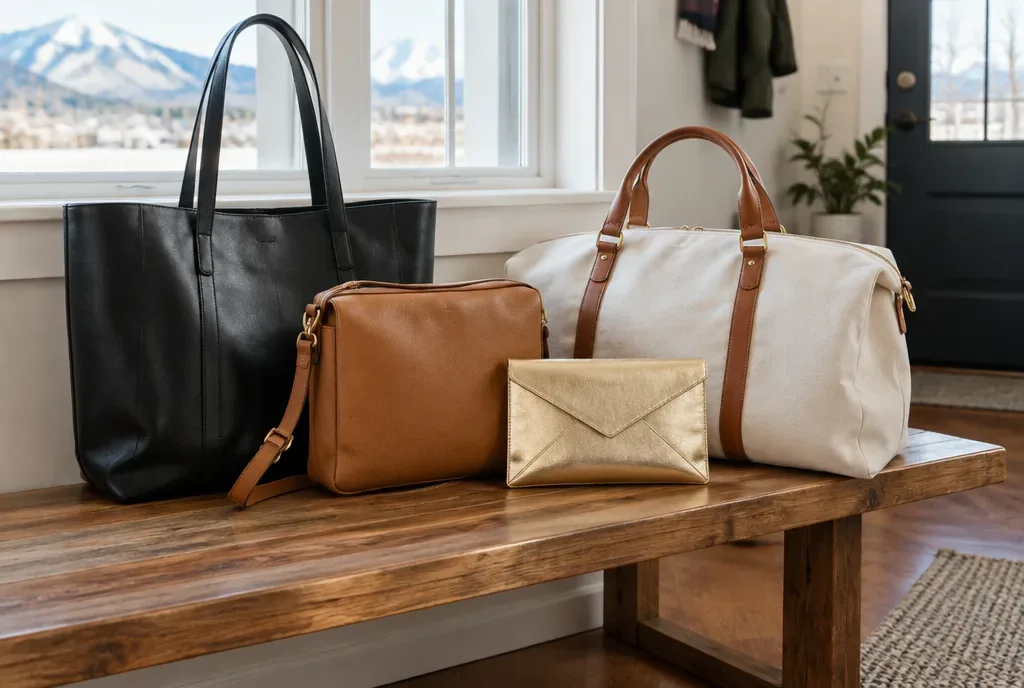
- Commuter: Structured leather tote that fits a laptop, plus a crossbody for lunch breaks.
- Busy mom: Nylon backpack or large crossbody with plenty of pockets.
- Student: Backpack plus a small belt bag for weekends.
- Frequent traveler: Weekender, carry-on tote and a slim crossbody for sightseeing.
- Minimalist: One medium shoulder bag in a neutral, plus a clutch.
These pieces fit easily into the logic of a capsule wardrobe: fewer, better-made items that all work together. Coordinate bag tones with your footwear too; our guide to types of shoes helps you match formality.
Do
- Match bag formality to the event, such as a minaudiere for black tie.
- Choose zip closures for travel and crowded places.
- Check strap drop before buying a shoulder bag.
Don’t
- Overload a delicate bag; heavy items stretch straps and handles.
- Carry an oversized tote with a formal gown.
- Store leather bags in plastic, which traps moisture.
Frequently asked questions
What are the 7 main types of bags?
The seven main types of bags are the tote, for carrying lots; the crossbody, for hands-free errands; the shoulder bag, for everyday use; the satchel, for polished work looks; the clutch, for evenings; the backpack, for commuting; and the hobo, for relaxed, casual outfits. Most other styles are variations of these.
What are the different categories of bags?
Bags are usually grouped by use. Everyday bags include totes, shoulder bags and hobos. Hands-free bags include crossbody bags, belt bags and backpacks. Structured bags include top-handle and doctor bags. Evening bags include clutches and minaudieres, and travel bags include weekenders and duffels.
What is the difference between a satchel and a tote?
A satchel is structured, with a flat base, a top handle, a flap or zip closure and often a crossbody strap, so it looks polished. A tote is usually soft and open-top with two parallel handles, built for carrying more. Satchels suit work and school, while totes suit errands and commuting.
What are the different names for bags?
Handbag, purse and pocketbook all describe a woman’s bag; in the US, “purse” and “handbag” are used interchangeably, while pocketbook sounds old-fashioned. Specific style names, such as tote, hobo, baguette or minaudiere, describe the bag’s shape, size or construction, which helps you shop more precisely.
Which type of bag is most useful day to day?
A medium crossbody or shoulder bag is the most useful for most women day to day. It holds a phone, wallet, keys and small extras, keeps your hands free, and suits casual and work outfits. Choose a neutral color and zip closure so it works with almost everything you own.
How many handbags does a woman really need?
Most women need three to five handbags: an everyday tote or shoulder bag, a crossbody, an evening clutch and a travel bag, plus an optional backpack. Choose neutral colors first so each bag works with many outfits, then add statement shapes or colors once your essentials are covered.