Knowing what to wear comes down to four things: the dress code, the venue, the weather and your role at the event. Once you answer those, almost any occasion fits one of a few reliable outfit formulas. This guide walks through every major occasion, from weddings and funerals to interviews, concerts, workouts and travel, with a quick formula for each.
Quick answer
Quick answer: To decide what to wear, check the dress code, venue, weather and your role, then pick one outfit formula and adjust the formality up or down.
- When there is no dress code, smart casual is the safe default for daytime and cocktail attire for evening.
- A navy or black midi dress, or tailored trousers with a blouse and blazer, works for most events.
- Respectful occasions (funerals, court, religious services) call for muted colors and more coverage.
- Standing, walking or outdoor events call for comfortable, broken-in shoes and layers.
- Being slightly overdressed is usually safer than being underdressed.
- Ten versatile pieces can be re-styled for nearly every occasion on your calendar.
How to Decide What to Wear for Any Occasion
To decide what to wear for any occasion, answer four questions in order: What is the dress code? Where is the venue? What will the weather be? What is your role? Those answers set your formality level, fabric, layers and shoes, so you can choose a proven outfit formula instead of starting from scratch every time.
The 4 Questions: Dress Code, Venue, Weather, Role
- Dress code. Read the invitation, the event website or the workplace guidance. Words like “black tie,” “cocktail,” “business casual” or “smart casual” tell you the formality floor. If nothing is stated, the time of day and the venue fill the gap. Our guide to dress code types explains what each term means.
- Venue. A garden, a barn, a cathedral, a stadium and a rooftop all ask for different shoes and fabrics. Grass means block heels or flats; stone floors and pews mean quiet shoes and modest hemlines.
- Weather. Check the forecast the day before and the morning of. Plan for the walk from the car or subway, not just the room you will sit in. Air-conditioned interiors often call for a light layer even in summer.
- Role. A guest dresses differently from a host, a family member, a speaker or an interviewee. The closer you are to the center of the event, the more polished (and less attention-seeking) your outfit should be.
Quick Outfit Formulas That Work Almost Anywhere
| Formula | Pieces | Best for |
|---|---|---|
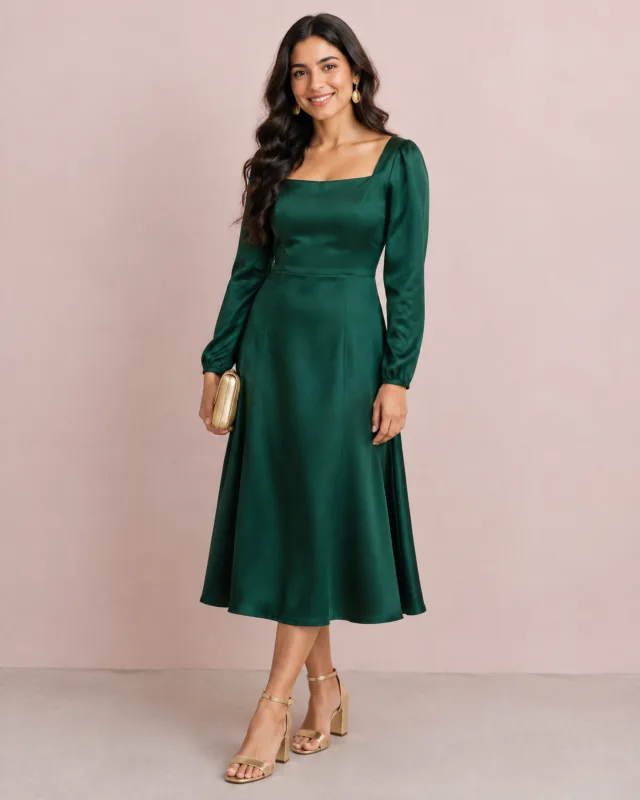
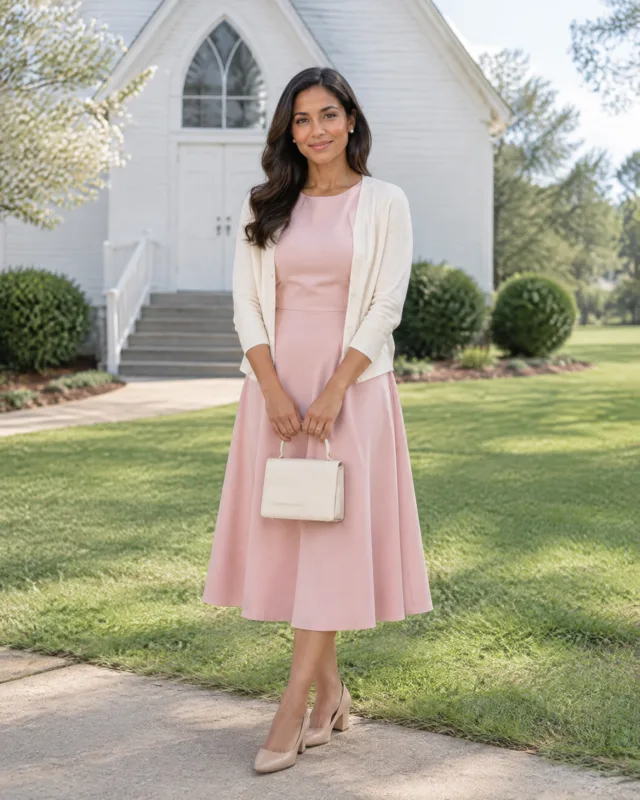
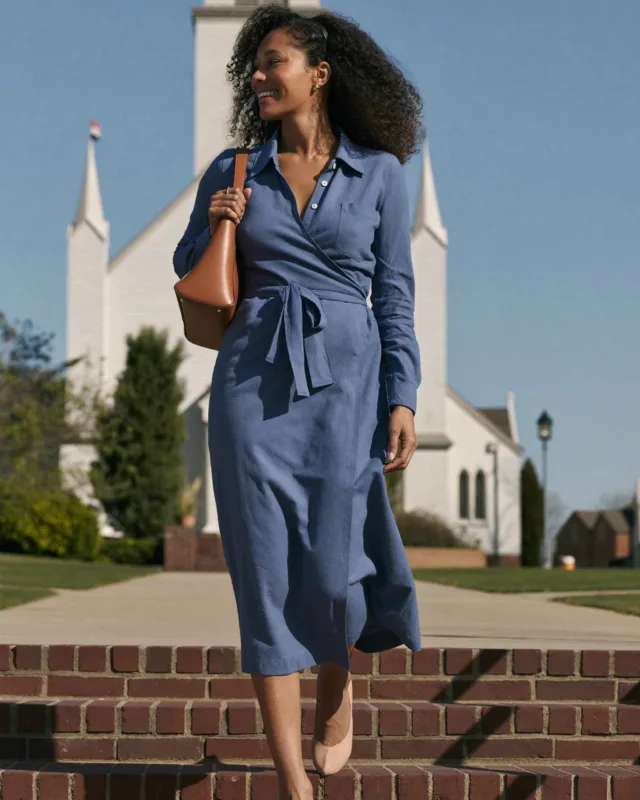
| The polished column | Midi dress in a solid color + block heels + small bag | Weddings, showers, church, dinners |
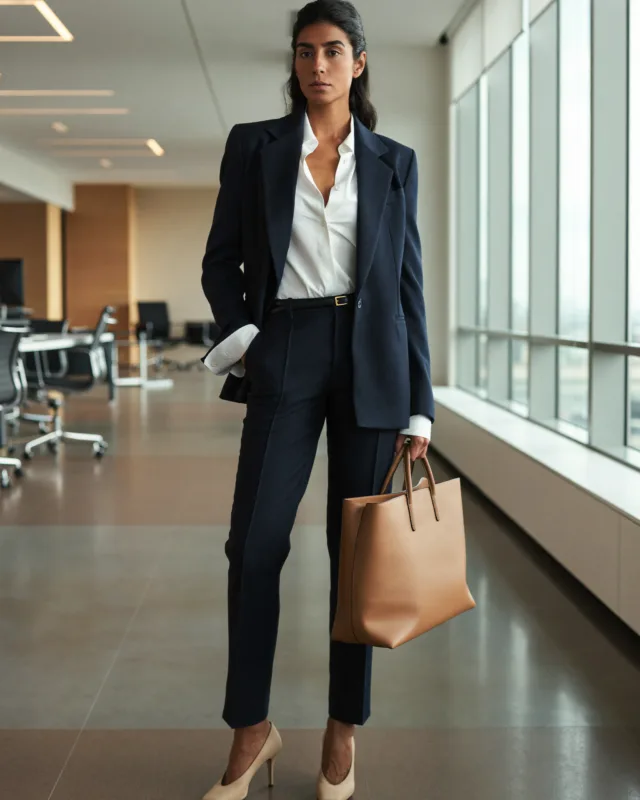
| The tailored trio | Tailored trousers + silk or crepe blouse + blazer | Interviews, court, work events, memorials |
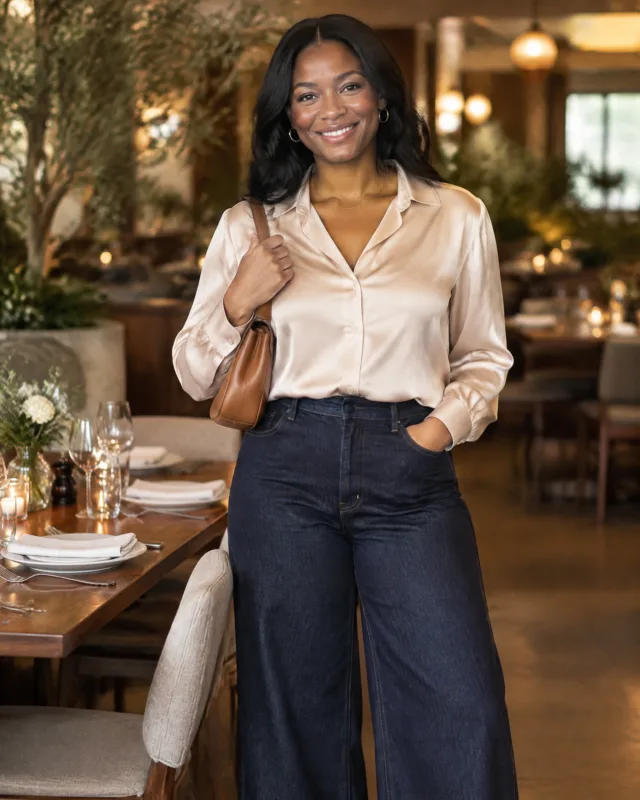
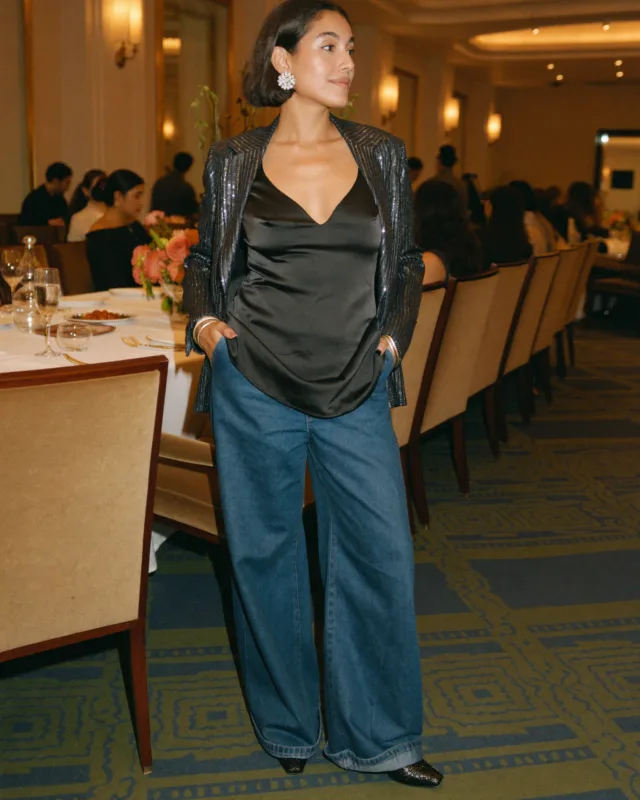
| The elevated casual | Dark jeans + fine knit or crisp shirt + loafers or ankle boots | Dates, comedy shows, casual parties, travel days |
Swap fabrics and accessories to move each formula up or down the formality scale: satin and heels for evening, cotton and flats for daytime.

What to Wear to Weddings and Wedding Events
For weddings and wedding events, follow the invitation’s dress code, avoid white and anything that could look bridal, and match your formality to the time and venue. A midi or maxi dress in a color or soft print works for most ceremonies, while pre-wedding events like showers and rehearsal dinners are usually a step more relaxed.
Wedding Guest
Start with the dress code on the invitation. Black tie calls for a floor-length gown or a very formal cocktail dress; cocktail attire means a knee-to-midi dress or an elegant jumpsuit; a daytime garden wedding allows lighter fabrics and florals. Skip white, ivory and cream, and be cautious with head-to-toe sequins at daytime events. Choose shoes you can wear on grass or a dance floor for hours.
Engagement Party
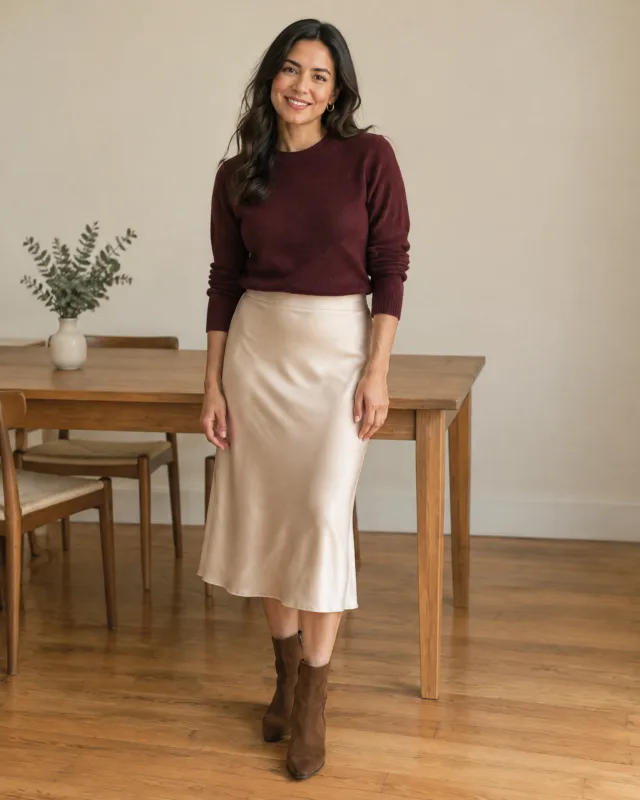
Engagement parties range from backyard barbecues to restaurant dinners. Match the host’s setting: a sundress or silky skirt with a knit top for casual gatherings, a cocktail dress for a formal venue. This is a celebration, so color is welcome.
Rehearsal Dinner
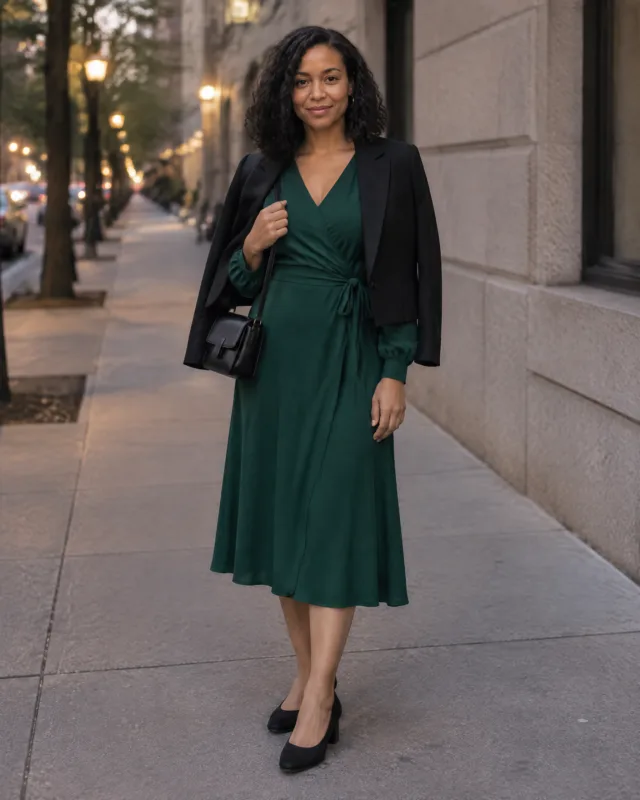
The rehearsal dinner is usually a sit-down meal for the wedding party and close family. Think dressy-but-relaxed: a wrap dress, a satin skirt with a fitted top, or tailored trousers with heels. If you are in the wedding party, coordinate loosely with the couple’s palette without matching it.
Bridal and Baby Showers
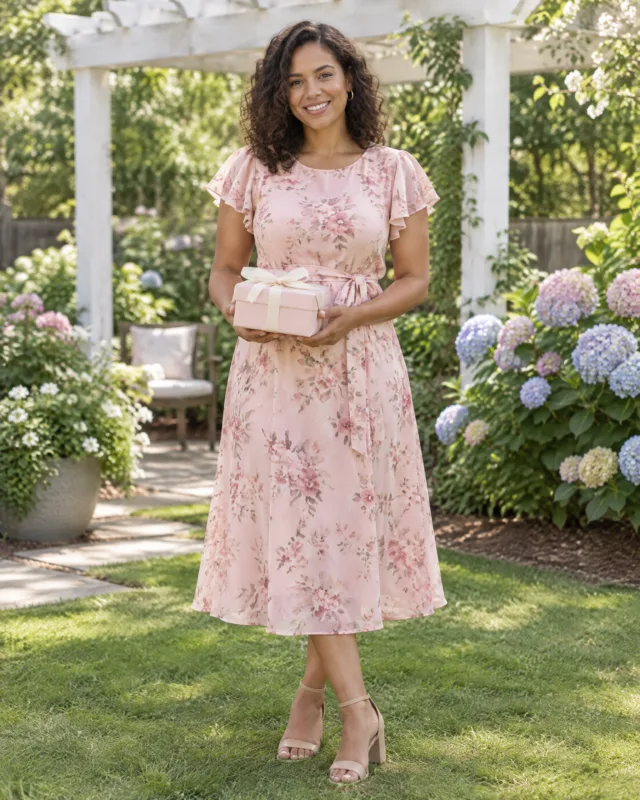
Showers are daytime, often at a home, restaurant or garden. Light dresses, pastel or floral prints, skirts with blouses and comfortable flats or low heels fit the mood. Avoid white at bridal showers unless the host requests it; our guide on what to wear to a bridal shower has guest looks for every venue. For guest and mom-to-be looks, read our guide on what to wear to a baby shower.
What to Wear to Funerals, Wakes and Memorials
To a funeral, wake or memorial, wear dark, muted colors such as black, navy, charcoal or deep brown, with modest coverage and minimal accessories. The goal is to show respect and keep attention on the family. A celebration of life may allow softer colors if the family asks, so read any guidance carefully.
Funeral
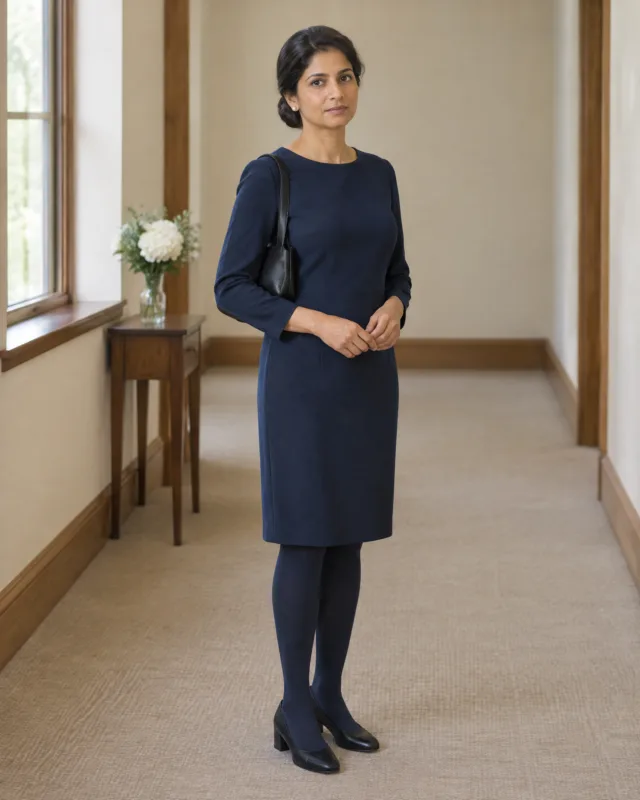
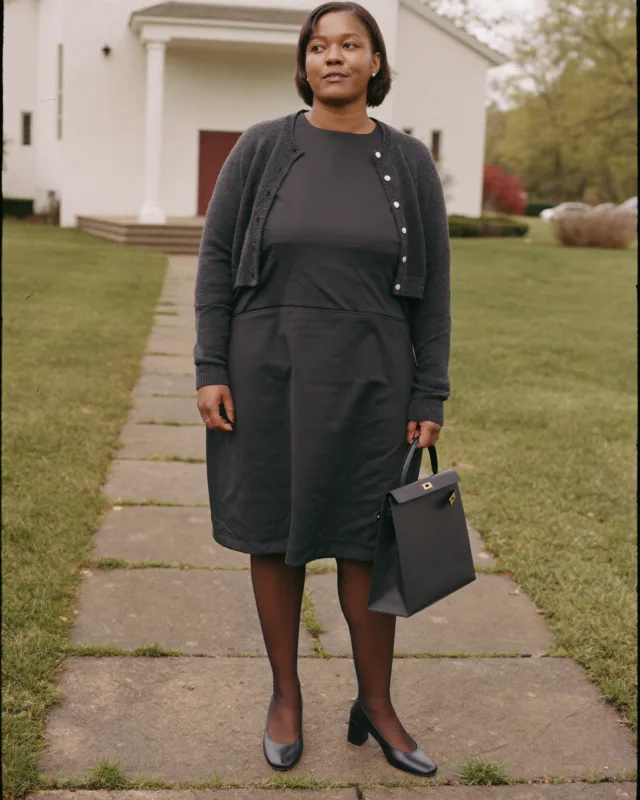
A funeral service calls for your most conservative outfit: a dark dress at or below the knee, or tailored trousers with a blouse and a cardigan or blazer. Cover shoulders for religious services. Choose closed-toe shoes with a low, quiet heel, since you may be standing at a graveside.
Wake and Viewing
A wake or viewing is often held at a funeral home or the family’s house and can last a few hours. Dark business-casual attire is appropriate: a knit dress, dark trousers with a sweater, or a skirt with a blouse. Keep jewelry simple and avoid loud prints. For more detail on visitation etiquette and outfits, see what to wear to a viewing.
Memorial Service and Celebration of Life
Memorials vary widely. Default to dark, simple clothes unless the family requests otherwise. Some families ask guests to wear a favorite color of the person being honored or to dress casually. Follow that request, but keep the overall look tidy and understated. Our guide on what to wear to a celebration of life shows how to honor a color request tastefully. For more ideas, see our guide on what to wear to a memorial service.
Do
- Wear black, navy, charcoal, deep green or brown in simple shapes.
- Bring a light layer for chilly churches and outdoor graveside services.
- Choose closed-toe shoes you can stand in comfortably.
Don’t
- Wear bright prints, sequins or party fabrics.
- Wear very short hemlines, low necklines or ripped denim.
- Add statement jewelry or loud accessories.
What to Wear to Religious Ceremonies and Milestones
For religious ceremonies and milestones, lean modest and polished: shoulders covered, knee-length or longer hemlines and quiet shoes. Customs vary by faith and community, so check with the host when unsure. Milestones such as baptisms, quinceaneras and graduations are celebrations, so color and festive fabrics are usually welcome.
Church
Many churches welcome casual attire, while others keep a traditional dress code. A midi dress with a cardigan, a skirt with a blouse, or neat trousers with a knit top works almost anywhere. Bring a scarf or wrap for shoulders if you are visiting a new congregation. For more outfit ideas by season and service, see our guide on what to wear to church.
Baptism
Baptisms are typically morning or midday. Soft colors, florals and midi lengths suit the mood. If you are a godparent, choose something slightly dressier and coordinate with the family.
Quinceanera
Quinceaneras often include a religious mass followed by an evening party. Guests usually wear cocktail attire or a dressy gown; avoid the birthday girl’s chosen color and anything that competes with her ball gown. Pack a wrap to cover shoulders during mass. For complete guest looks, see our guide on what to wear to a quinceanera.
Graduation and Under the Gown
At a graduation, guests can wear smart casual: a sundress, a skirt and blouse or trousers with a knit. If you are graduating, wear something light and comfortable under the gown, such as a simple dress with a neckline that sits well under the robe, plus shoes you can walk across a stage in confidently.
What to Wear for Work, Interviews and Formal Appointments
For interviews and formal appointments, choose conservative, well-fitting clothes in neutral colors: tailored trousers or a knee-length skirt, a simple blouse and a blazer. Your outfit should look prepared and respectful without distracting from what you say. Match or slightly exceed the formality of the setting you are visiting.
Job Interview
Research the company’s everyday dress code and go one level above it. For corporate roles, a suit or tailored separates in navy, gray or black is still the safest choice. For creative or casual workplaces, a blazer over a fine knit with dark trousers reads polished without looking stiff. Make sure everything is pressed and your shoes are clean.
Court and Jury Duty
Courtrooms expect respectful business attire. Avoid shorts, tank tops, graphic tees, hats and anything revealing. For court appearances, think interview-level formality in muted colors. Our guide on what to wear to court breaks it down by role and hearing type. For jury duty, business casual is generally fine, but bring a layer because courtrooms can be cold and you may sit for long stretches. Check your court’s website, since some list specific rules.
Stylist’s tip
For any formal appointment, lay out the full outfit the night before, including bag, shoes and a layer. Try it on once while sitting down: if the skirt rides up, the waistband pinches or the blouse gapes, swap it now rather than at the door.
What to Wear for a Night Out, Dates and Shows
For a night out, dates and shows, dress for the venue first and the vibe second: a dim restaurant, a crowded arena and a theater all call for different choices. Pick one standout element, such as a great top, a bold lip or statement earrings, and keep the rest comfortable enough to sit, stand or dance in.
First Date
Wear something that feels like you on a good day. Dark jeans with a silky camisole and a blazer, a slip skirt with a knit, or a simple midi dress all work for dinner or drinks. Choose shoes you can walk in if the plan changes.
Concerts and Country Concerts
Concerts mean standing, crowds and sometimes outdoor weather. Prioritize comfortable shoes (sneakers or broken-in boots), a crossbody bag and a layer you can tie around your waist. For country concerts, denim, a western-inspired top and boots are classic choices. For outfit ideas, read our guide to what to wear to a concert.
Broadway and Comedy Shows
Broadway has no formal dress code, but many people dress smart casual: trousers or a dress, a light layer for air-conditioned theaters and shoes that handle stairs. Comedy clubs are more relaxed; dark jeans, a nice top and ankle boots fit right in.
Galas
Galas usually call for black tie or formal attire. Think floor-length gowns, elegant jumpsuits or very dressy cocktail dresses, with refined accessories. Check the invitation carefully, because some galas announce a theme.
What to Wear to Sporting Events and Western Events
For sporting events and western events, dress for the temperature and the seating, then add the spirit of the event: team colors for games and denim, boots and western details for rodeos. Practical layers, closed-toe shoes and a crossbody bag matter more here than trend pieces.
Hockey Game
Ice arenas stay cool, especially near the glass. Wear jeans or warm leggings, a sweater or team jersey, and a jacket you can keep on. Add team colors with a scarf or hat if you want to show support without wearing full fan gear. For layering tips and more looks, see what to wear to a hockey game.
Rodeo
Rodeos are dusty and often outdoors. Denim, a chambray or plaid shirt, a denim or suede jacket and leather boots with a sturdy heel are the classic look. Bring sun protection for daytime events and a warm layer for evening shows.
What to Wear for Workouts and Outdoor Activities
For workouts and outdoor activities, choose function first: moisture-wicking fabrics, a secure fit and layers you can add or remove as your body temperature changes. Avoid cotton for sweaty or wet activities because it holds moisture. The right shoes and a supportive sports bra matter more than any trend.
Yoga, Hot Yoga and Pilates
Fitted leggings or bike shorts and a close-fitting top keep fabric from falling into your face during inversions. Our guide on what to wear to yoga covers regular classes in more detail. For hot yoga, choose lightweight, quick-dry pieces; see what to wear to hot yoga for a full checklist. Many Pilates studios ask for grip socks, so check before your first class.
Running and Hiking
Running calls for moisture-wicking layers, a supportive bra and well-fitted running shoes; see what to wear running for more detail. Hiking adds sturdier footwear, a sun hat and layers you can peel off, following a simple base layer, mid layer and outer shell approach.
Skiing and White Water Rafting
Skiing requires a thermal base layer, an insulating mid layer and a waterproof jacket and pants, plus gloves and a helmet; our guide on what to wear skiing walks through each layer. For white water rafting, wear quick-dry synthetics or a swimsuit with a rash guard and secure water shoes; outfitters often provide wetsuits in cold water. Our guide on what to wear white water rafting breaks it down by water temperature and trip length.
Sauna
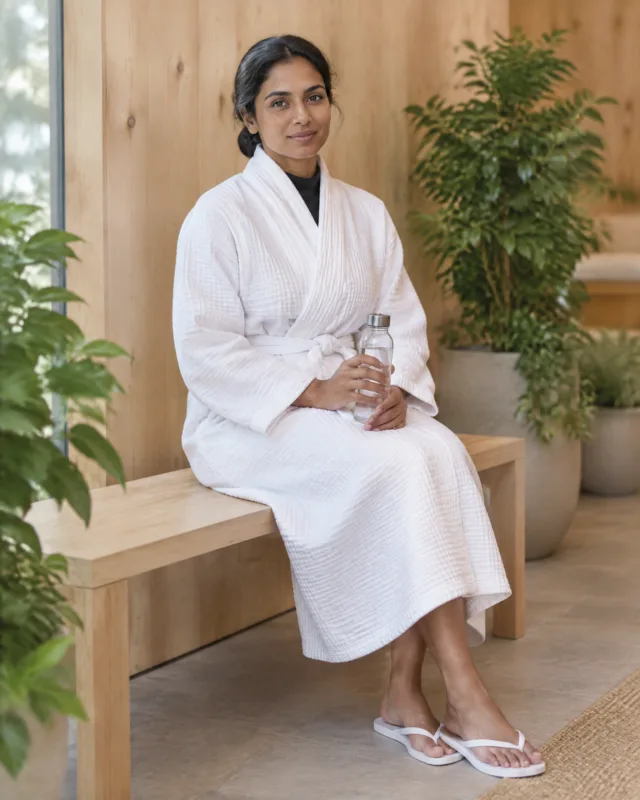
Most saunas expect a towel, a swimsuit or minimal light clothing, depending on the facility’s rules. Remove metal jewelry, which can heat up, and follow the posted etiquette. Our guide on what to wear in a sauna has more detail.

What to Wear When You Travel
When you travel, pack for the destination’s climate and cultural norms, then build a small mix-and-match wardrobe around two or three neutral colors. Comfortable walking shoes, a versatile layer and one dressier outfit cover most trips. Research local customs, especially for religious sites, where covered shoulders and knees may be expected.
Italy
Italian cities lean polished. Pack linen trousers, midi skirts, simple dresses and comfortable leather sneakers or sandals. Bring a scarf to cover your shoulders when visiting churches.
Hawaii
Hawaii is warm, humid and relaxed. Breezy dresses, swimwear with a cover-up, shorts, sandals and a light rain jacket for afternoon showers cover most plans. Bring sturdy shoes for hikes. For a full island packing plan, see what to wear in Hawaii.
Las Vegas
Vegas days are hot and casual, while nights can be dressy. Pack light daytime pieces and one or two going-out outfits. Casinos and showrooms are heavily air-conditioned, so bring a layer.
Cruise
Cruises mix pool days, excursions and dinners, sometimes with formal nights. Pack swimwear and cover-ups, casual daytime outfits, a couple of dinner dresses and one formal look if your itinerary lists it.
What to Wear for Special Appointments
For special appointments, dress for access and comfort rather than style: the clothing should let a professional reach the area they are working on easily. For themed parties, choose a few recognizable pieces of the theme instead of a full costume so you can stay comfortable all night.
Tattoo Appointment
Wear loose, dark clothing that gives easy access to the tattoo placement and that you do not mind getting ink on. For example, wear a tank top for an upper-arm tattoo or wide-leg shorts for a thigh piece. Bring a soft layer, since sessions can be long. For a placement-by-placement plan, see what to wear to a tattoo appointment.
90s Theme Party
Pick two or three signature 90s elements: a slip dress over a baby tee, high-waisted mom jeans, a cropped cardigan, chunky sneakers or platform sandals, and a claw clip or scrunchie. Mixing a few clear references reads more stylish than a head-to-toe costume. For 25 complete looks, see what to wear to a 90s party.
What Not to Wear: Common Occasion Dressing Mistakes
The most common occasion dressing mistakes are ignoring the dress code, wearing white to a wedding, dressing too casually for a funeral, wearing new shoes to a standing event and forgetting the weather. Most mistakes come from planning for the photo rather than the full day, including travel, seating and temperature.
Do
- Check the invitation, venue and forecast before you choose.
- Break in new shoes at home before a long event.
- Pack a layer for air-conditioned venues and evening temperature drops.
- Choose fabrics that resist wrinkles if you will sit or travel.
Don’t
- Wear white, ivory or bridal looks to someone else’s wedding.
- Wear bright, festive pieces to a funeral unless the family asks for color.
- Wear stilettos to a lawn, beach or barn venue.
- Choose an outfit you have to keep adjusting all day.
Weather and season swaps: For summer outdoor events, choose linen, cotton voile or silk crepe and lighter colors. For winter, move to wool crepe, velvet and long sleeves, and plan a proper coat that suits your outfit’s formality.
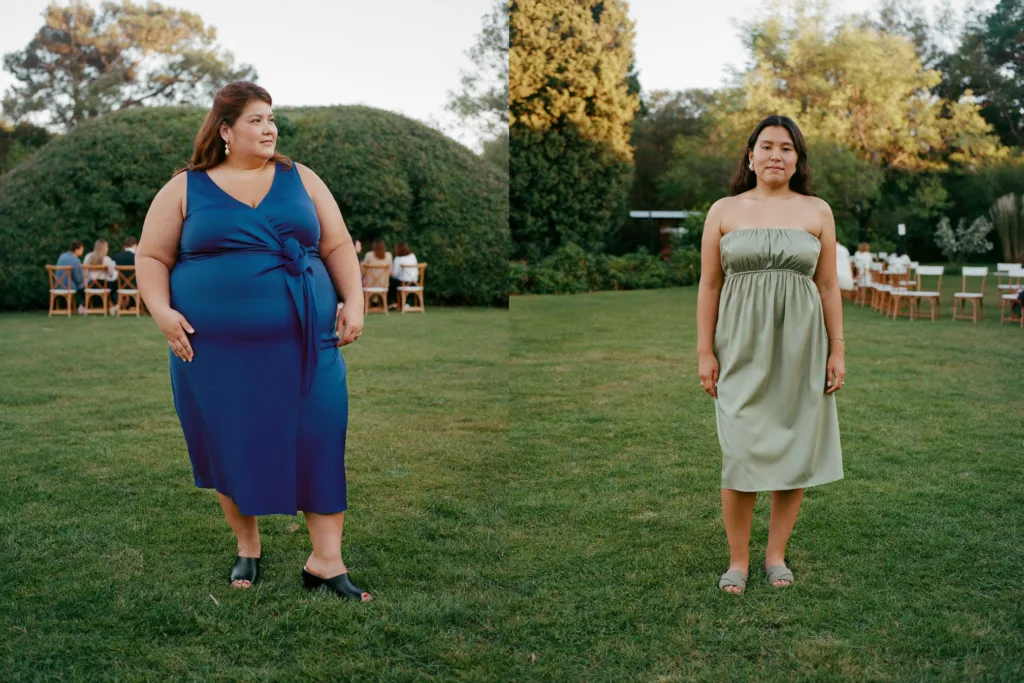
Fit adjustments: Petite women can scale down volume and choose midi lengths that hit just below the knee. Plus-size women often find that structured fabrics, wrap silhouettes and a defined waist give polish without sacrificing comfort. Women over 40 can lean into tailoring, quality fabrics and modern cuts instead of following age-based rules.
Build a Small Occasion Wardrobe That Covers Everything
A small occasion wardrobe of about 10 versatile pieces can cover most events: a little black dress, a navy midi dress, a tailored blazer, tailored trousers, a silky blouse, a fine knit, dark jeans, block heels, comfortable flats and a neutral wrap. Re-style them with accessories to shift between casual, business and evening.
| Piece | Casual use | Formal use |
|---|---|---|
| Little black dress | With a denim jacket and flats | With heels and statement earrings |
| Navy midi dress | With sneakers for daytime plans | With block heels for a wedding |
| Tailored blazer | Over a tee and dark jeans | With matching trousers for interviews |
| Tailored trousers | With a knit and loafers | With a silk blouse and heels |
| Silky blouse | Tucked into jeans | With a midi skirt for church or dinner |
| Fine knit sweater | Over a slip skirt | Under a blazer for court or a memorial |
| Dark jeans | With a tee and ankle boots | With a blazer and heels for dinner |
| Block heels | With a midi skirt for showers | With a cocktail dress |
| Comfortable flats | For travel and sightseeing | For standing at a graduation |
| Neutral wrap or scarf | For chilly patios | To cover shoulders at religious venues |
Keep these pieces in a coordinated palette, such as black, navy, cream and camel, so every top works with every bottom. To apply the same idea to your everyday closet, see what a capsule wardrobe is and how to build one. Add one or two color accent pieces for celebrations.
Stylist’s tip
Before buying anything for a single event, try building the outfit from these ten pieces first. If you can make it work with a new accessory instead of a new dress, you will save money and gain another look you can repeat.

Frequently asked questions
What is the 3-3-3 rule for outfits?
The 3-3-3 rule means choosing three tops, three bottoms and three pairs of shoes that all work together. Mixing them creates many outfit combinations from just nine items. It simplifies packing for trips and events because every piece coordinates, so you only add a dress or accessory when an occasion needs it.
How do I decide what to wear today?
Check the weather, your schedule and any dress code first. Then pick one key piece, such as a blazer, a favorite dress or good jeans, and build around it with shoes suited to how much you will walk. Add one layer for temperature changes and an accessory that fits the day’s formality.
What should I wear if the invitation has no dress code?
Look at the time of day and the venue. For daytime events or casual settings, smart casual is a safe default, such as a midi dress or trousers with a nice top. For evening events at a restaurant or event space, lean toward cocktail attire. When unsure, dress slightly up.
What is a safe outfit for almost any occasion?
A navy or black midi dress, or tailored trousers with a silky blouse, paired with a blazer and low block heels, works for weddings, interviews, dinners, memorials and church. Change the accessories to shift the mood: bold earrings for celebrations, minimal jewelry for somber or professional settings.
What are women wearing right now?
Current wearable styles include relaxed tailoring, midi skirts, ballet flats and loafers, soft neutral palettes and easy knit sets. The most stylish approach is to add one current piece to a classic outfit rather than wearing several trends at once, so the look still feels like you.
How can I look slimmer in event photos?
Dressing in one color from top to bottom creates a long, unbroken line. Structured fabrics that skim rather than cling, a defined waist and a V-neckline also help. Stand tall, angle your body slightly toward the camera and keep your arms a little away from your sides.
Is it better to be overdressed or underdressed?
Being slightly overdressed is usually the safer choice. It shows respect for the host and the occasion, and it is easy to dress down by removing a blazer or jewelry. Being underdressed is harder to fix and can make you feel uncomfortable for the whole event.